
Weapons, deterrence, and new technology
How nuclear weapons are counted without inspections, what an autonomous weapon is, how a cyber attack is traced, and why orbital debris lasts for decades. A satellite destroyed at 850 kilometres leaves fragments in orbit for decades. The articles go with the units on nuclear deterrence and with the four units on technology and conflict.
Articles
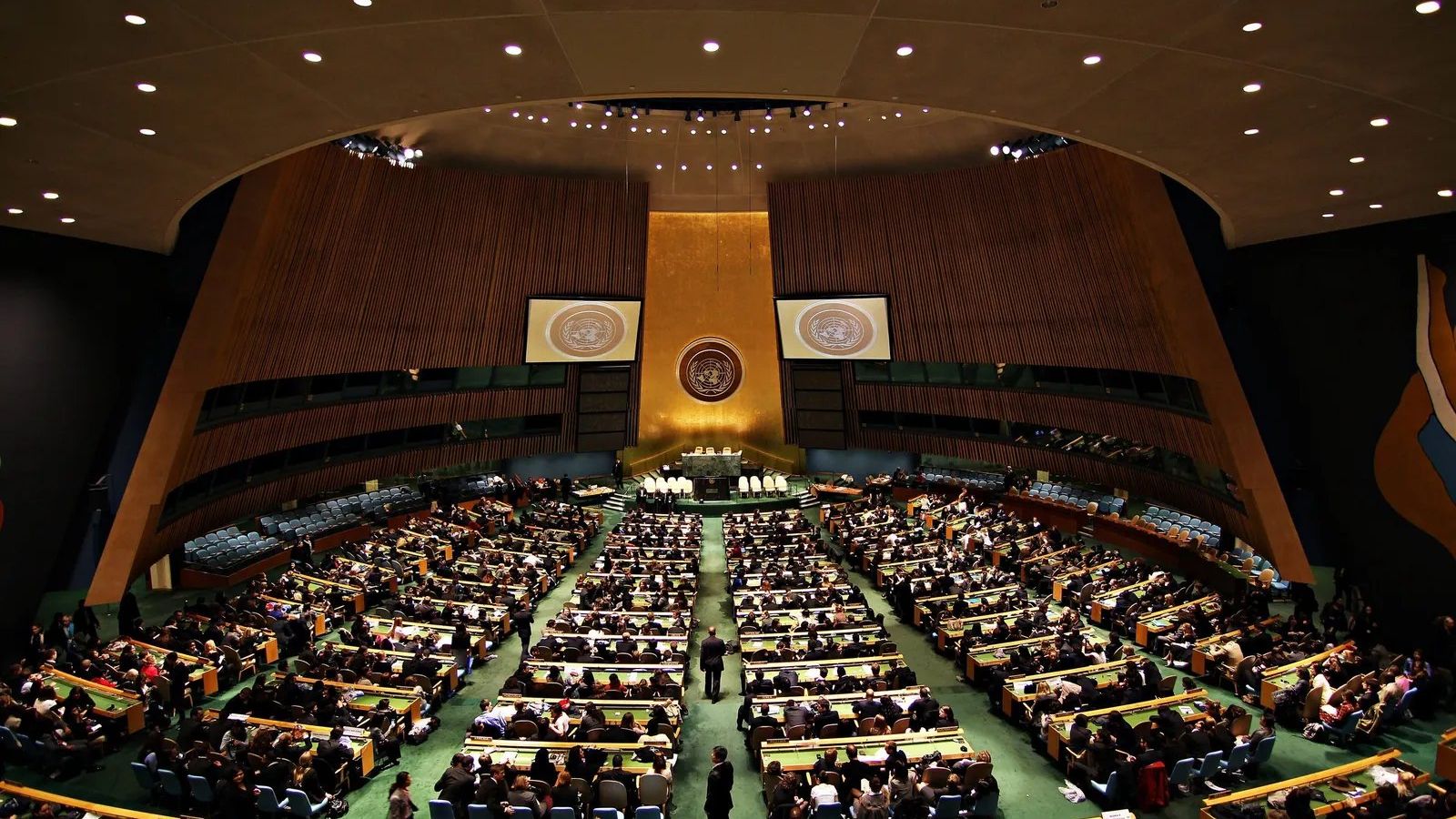
Ten numbers every student of world politics should know
193 member states, 15 seats and 5 permanent, 25 and 1,000 deaths, 191 parties, about 12,200 warheads, 53 and 26 per cent, 33 kilometres, 2,718 billion dollars, 865 kilometres, and one date. Each with how it is measured and where it comes from.
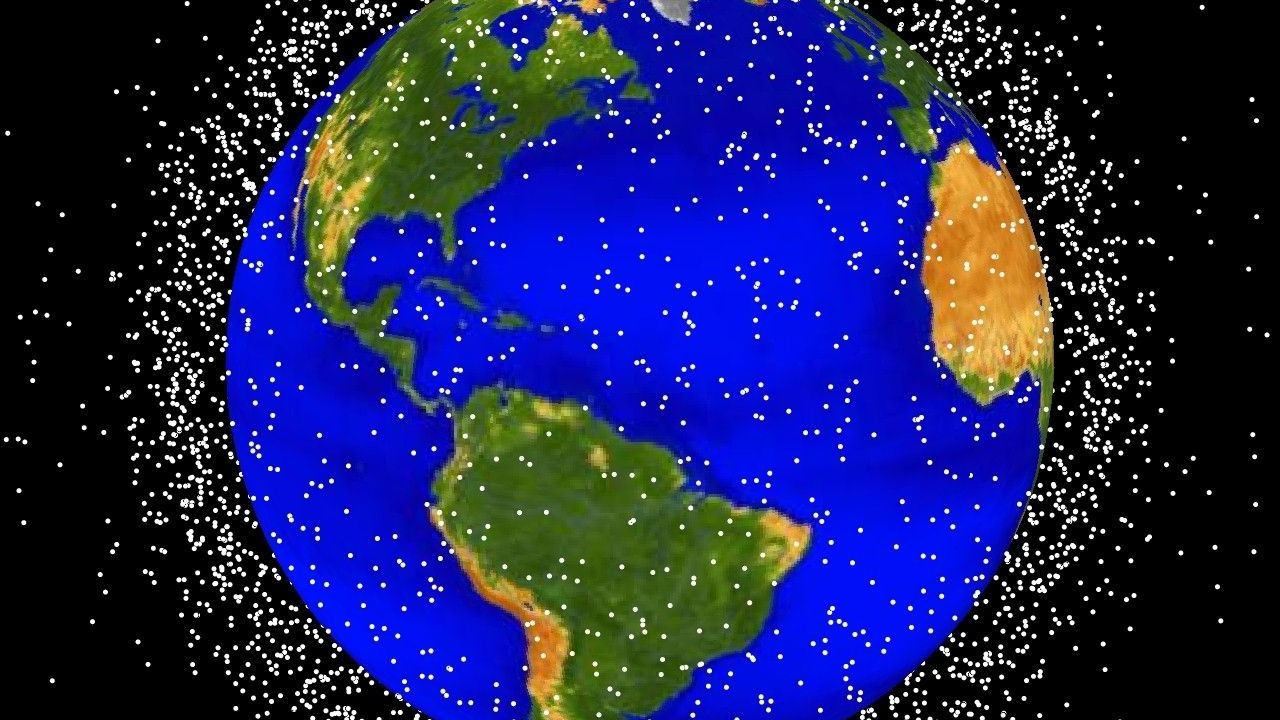
Why a satellite destroyed at 850 kilometres is a problem for decades
China's test of January 2007 at about 865 kilometres left more than 3,500 catalogued fragments, most still in orbit. Russia's test of November 2021 at about 480 kilometres left about 1,800, nearly all gone by 2025. One formula, one rule of thumb, and the altitude that explains the difference.
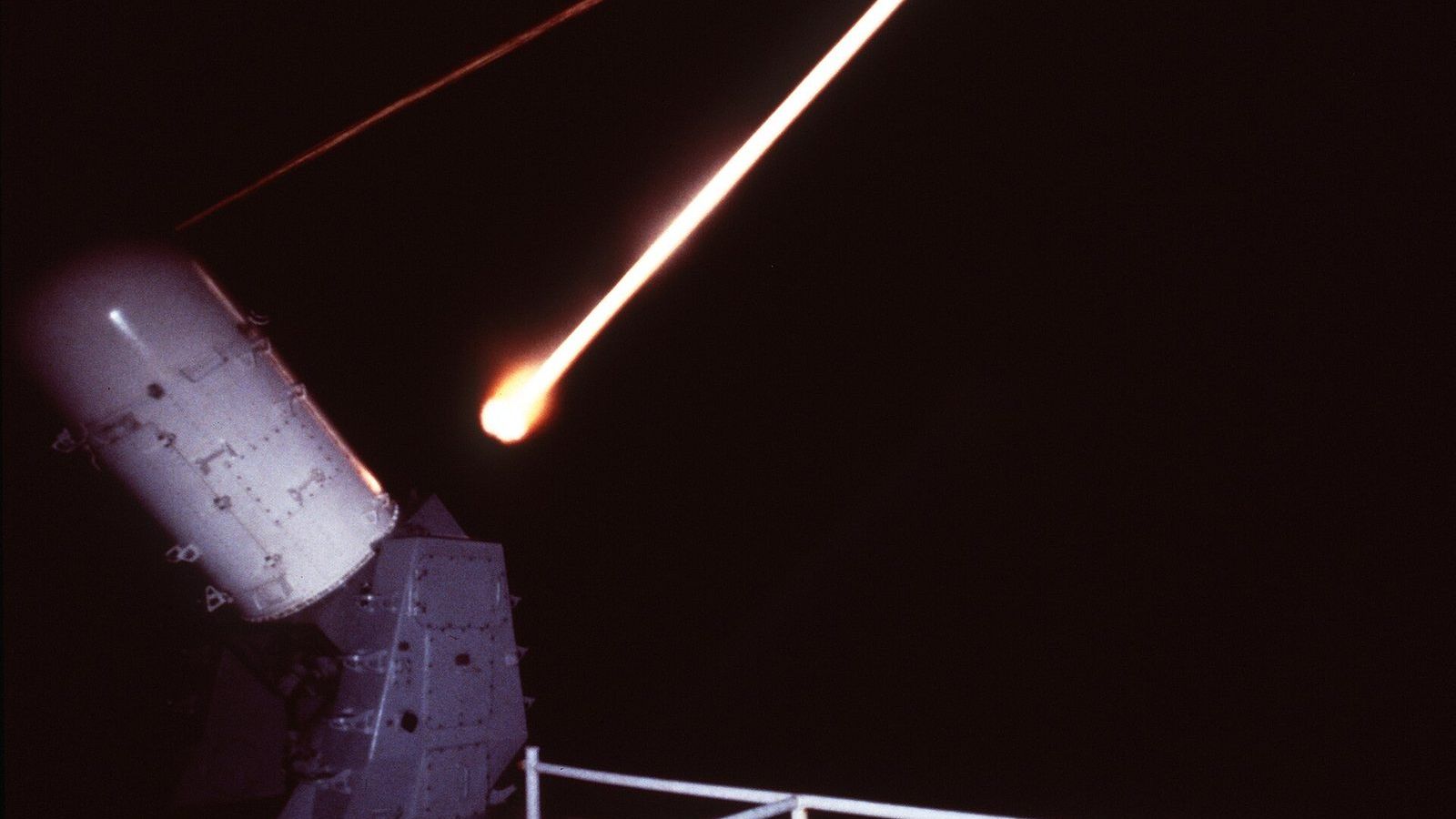
What an autonomous weapon actually is
A ship's gun that has fired on its own since 1980, a drone that picks its own radar, and a munition that hunts without a data link all sit on one line, and the argument about killer robots is about where on that line to draw the rules. The two working definitions, the critical functions, and what states have agreed since 2017.
How a cyber attack is traced
NotPetya hit Ukraine on 27 June 2017 and spread to companies on four continents; the public naming of the Russian military came on 15 February 2018. The three layers of attribution, what filled the eight months, and how a false flag is planted and found.
Who really pays for a sanction?
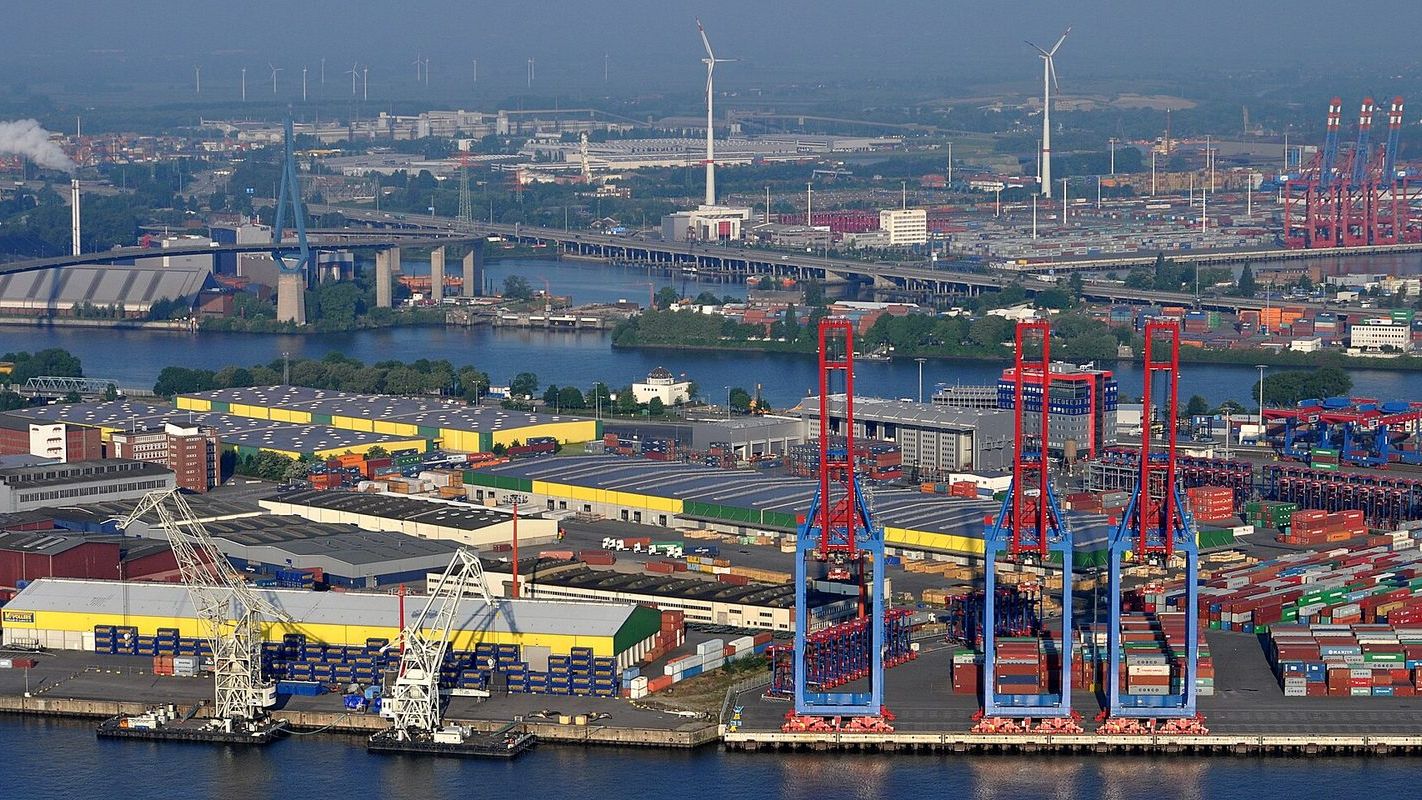
Scholars put the success rate of sanctions anywhere from under 5 to about 34 per cent, and the disagreement is about what to count. One episode measured, Iran from 2012 to 2015, the costs that fall on senders and bystanders, and the payment chokepoints that changed the instrument.
How many nuclear weapons are there?
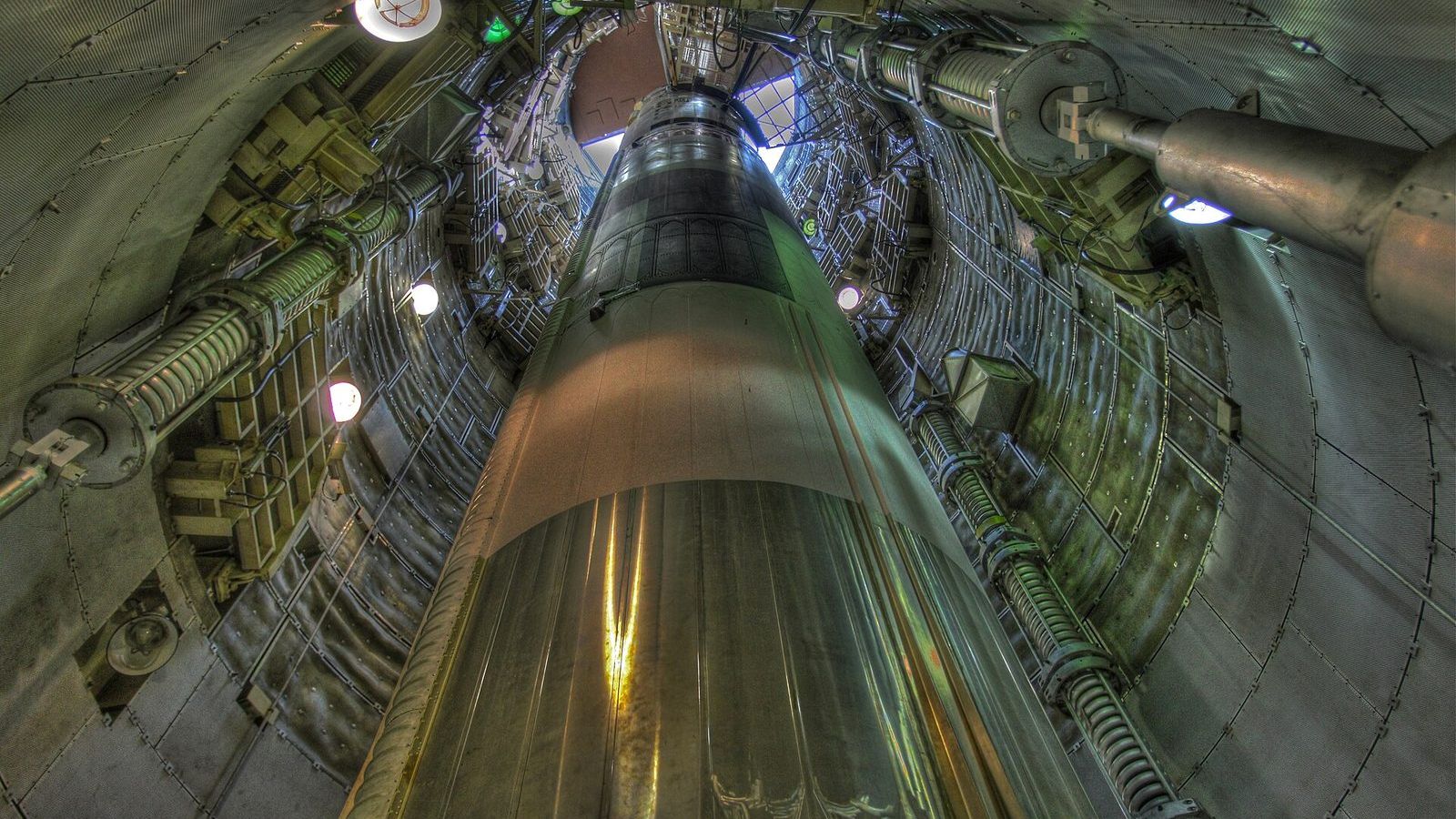
About 12,200 at the start of 2026, by the Federation of American Scientists' estimate, down from a peak of about 70,300 in 1986. How the count is made without inspections, what the categories mean, and why the falling line hides a rising one.

The night Stanislav Petrov did not call
On 26 September 1983 a Soviet early warning system reported five American missiles with the highest confidence. The duty officer reported a malfunction. Minute by minute, why he doubted the screen, the other false alarms of the Cold War, and why the episode matters for automated warning today.

How chemical weapons became unthinkable
From the chlorine cloud at Ypres on 22 April 1915 to the last declared rocket destroyed in Kentucky on 7 July 2023. Read as the life cycle of a norm, the story shows how a standard of behaviour emerges, cascades, and becomes law, and where it is still tested.
In the masterclass
Nuclear Weapons and Deterrence
The weapons, the theory of deterrence, the near misses, and the treaties that limit them
Cyber Operations and the Problem of Attribution
What cyber operations have done, why saying who did it is hard, and which rules apply
Artificial Intelligence and Autonomous Weapons
What autonomy means in a weapon, what it changes for power and law, and what states have agreed
Satellites, Space, and Security
What satellites do for states, how they can be attacked, and which law governs the orbits
Governing Emerging Technologies
Treaties, norms, export controls, and standards for technologies that do not yet exist in their final form