
Wars, and how they end
How many wars there are and who is counting, why nonviolent campaigns won twice as often as violent ones, and whether peacekeeping keeps the peace. These articles belong to the units on the toolkit of the field, on the causes of war, and on civil wars, terrorism, and peacebuilding, and they work with the Uppsala, Correlates of War, and NAVCO data.
Articles
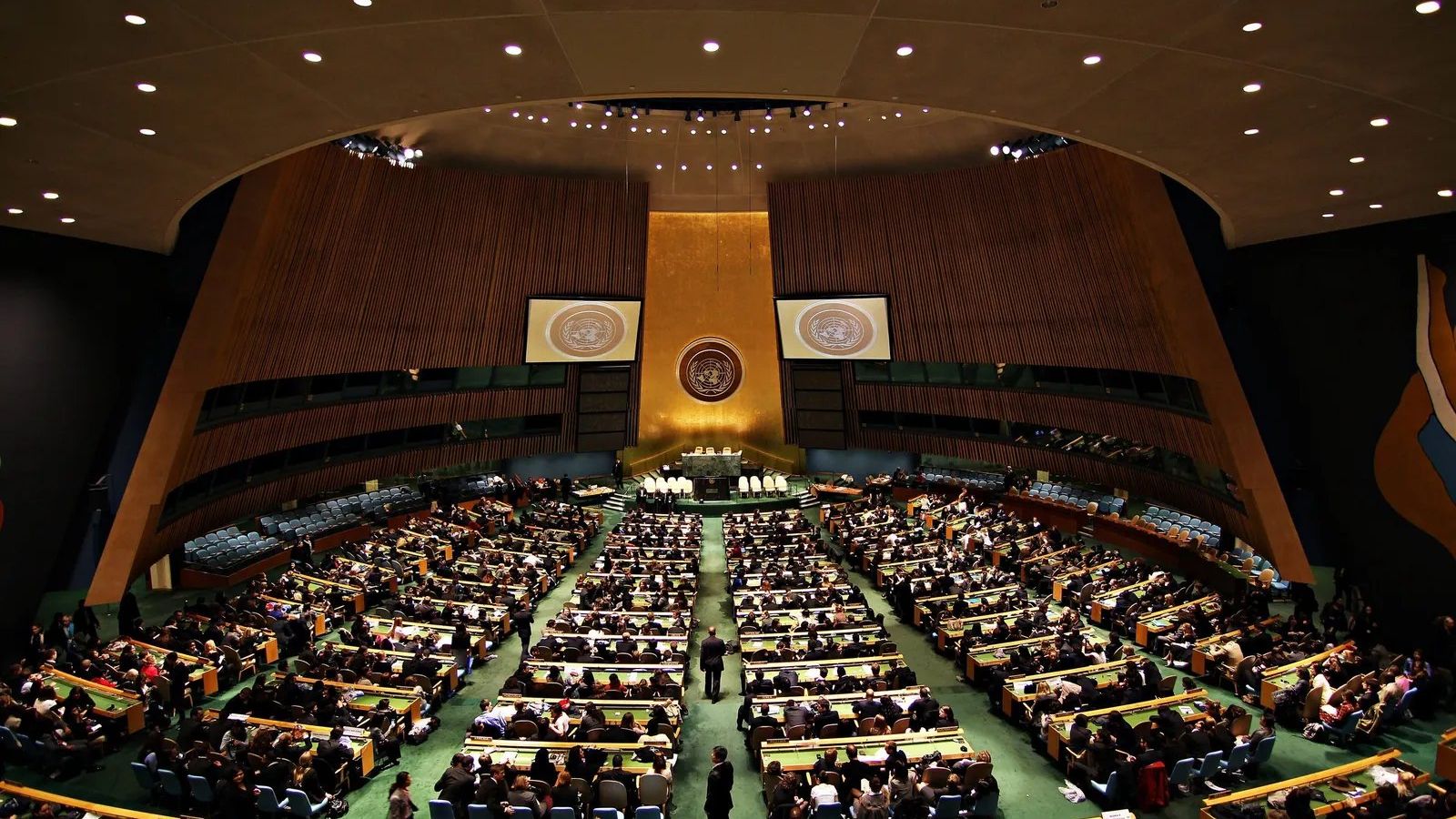
Ten numbers every student of world politics should know
193 member states, 15 seats and 5 permanent, 25 and 1,000 deaths, 191 parties, about 12,200 warheads, 53 and 26 per cent, 33 kilometres, 2,718 billion dollars, 865 kilometres, and one date. Each with how it is measured and where it comes from.
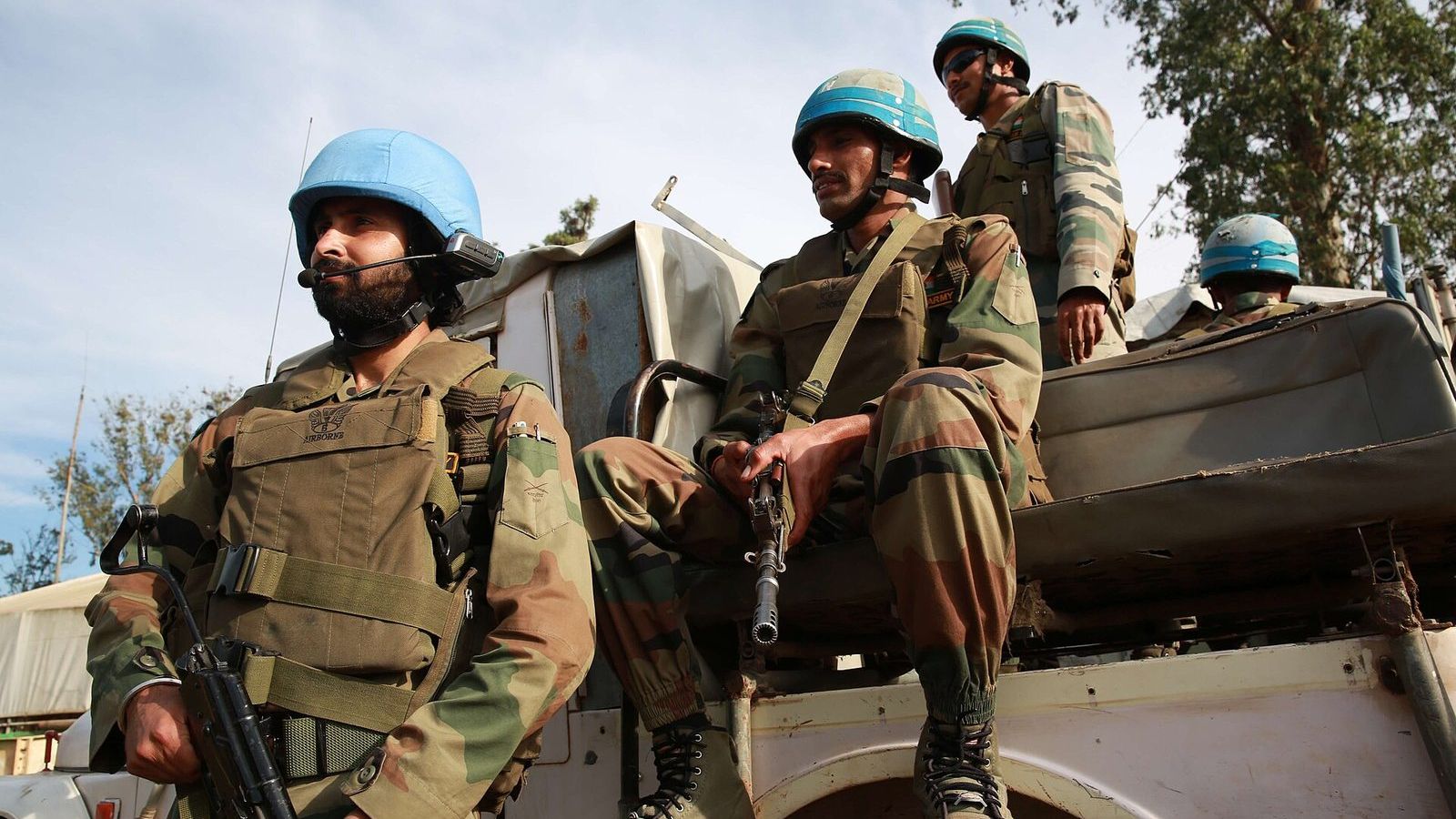
Does peacekeeping keep the peace?
Seventy-one missions since 1948, three principles from 1956, and a research record since 2000 that is more favourable than the news and more qualified than the brochures. Why the comparison is hard, what the studies found, and where the failures were.
Why nonviolent campaigns won twice as often
Of 323 campaigns between 1900 and 2006, the nonviolent ones succeeded about 53 per cent of the time and the violent ones about 26 per cent. How the campaigns were counted, why the unarmed ones won, what the 3.5 per cent figure does and does not mean, and why the rate has fallen since 2010.
The night Stanislav Petrov did not call
On 26 September 1983 a Soviet early warning system reported five American missiles with the highest confidence. The duty officer reported a malfunction. Minute by minute, why he doubted the screen, the other false alarms of the Cold War, and why the episode matters for automated warning today.
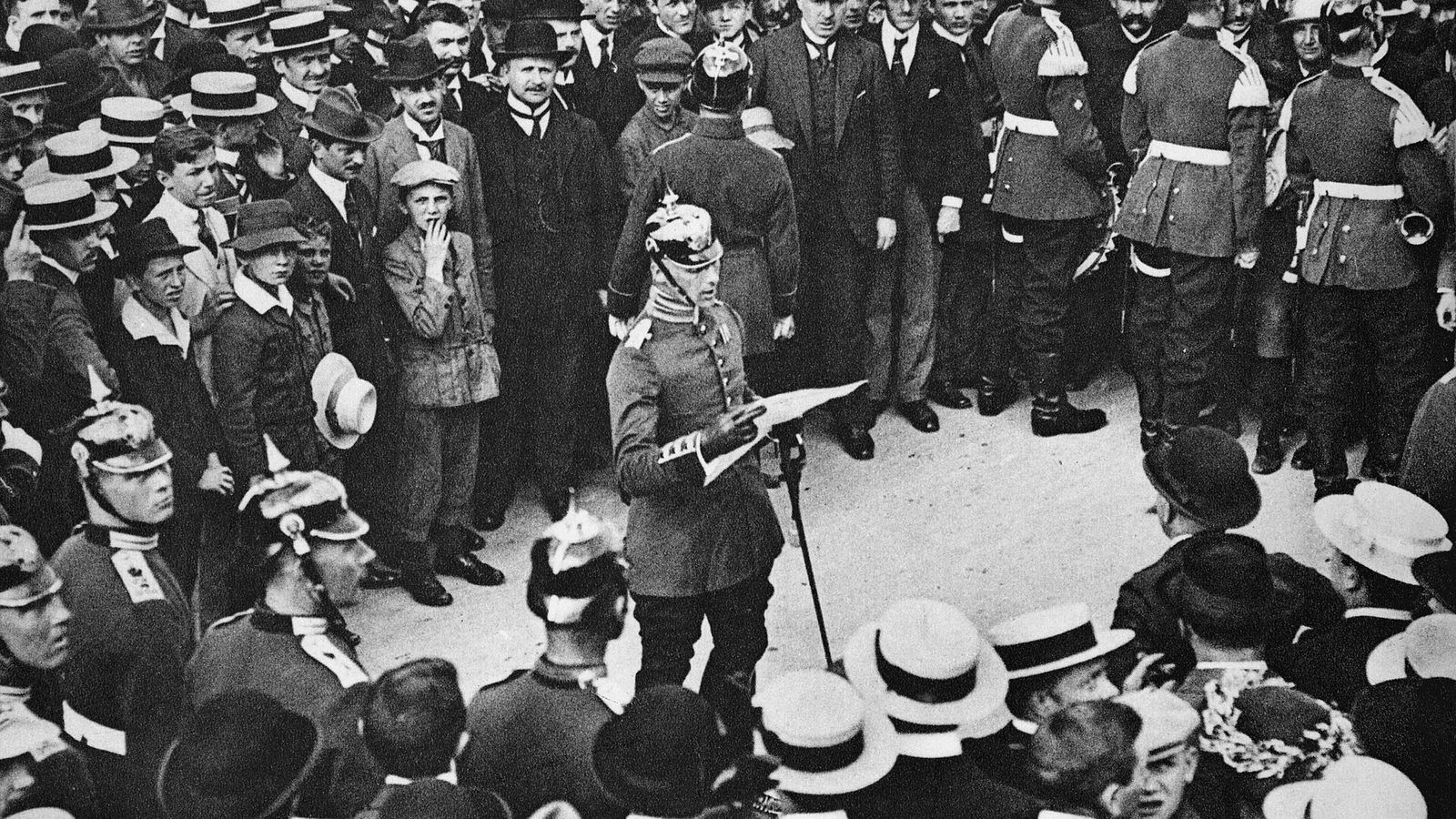
Why states fight when war ruins both sides
Every war ends in a settlement that both sides could in principle have reached before the first shot, without paying for the fighting. So why do they fight? A model from 1995 gives three answers, and the summer of 1914 tests all of them.
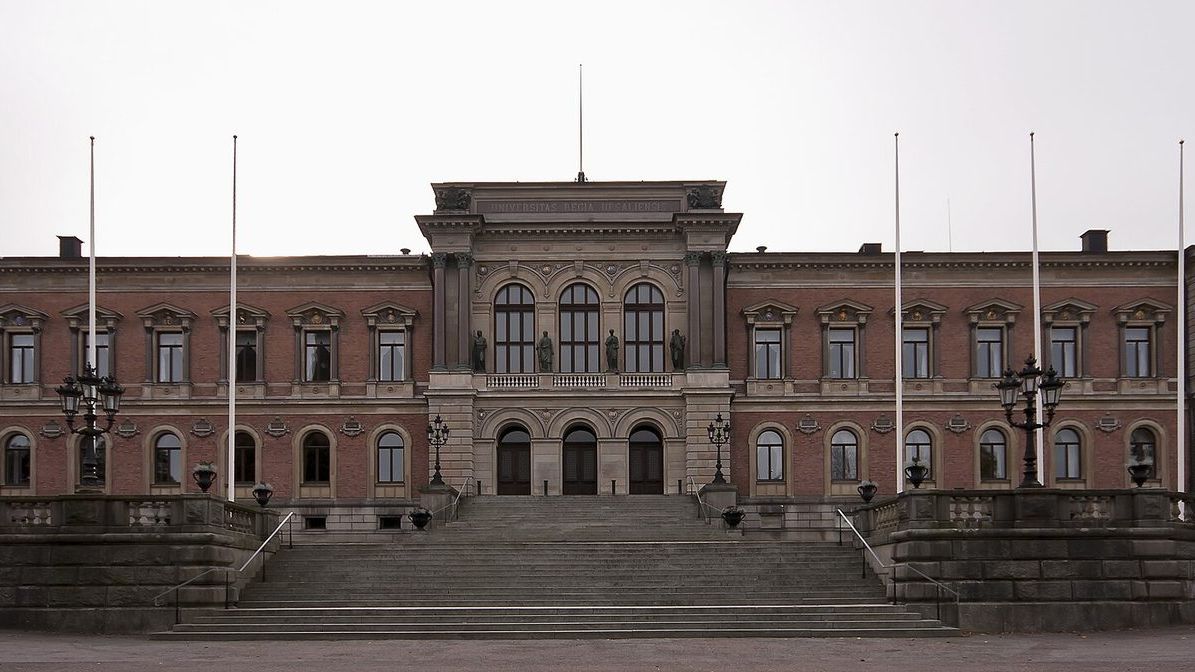
How many wars are there, and who is counting?
One headline says there are more wars than at any time since 1945. Another says the world is more peaceful than it has ever been. Both can be true, because each rests on a definition, and the definitions are public. Here is how the counting is done.
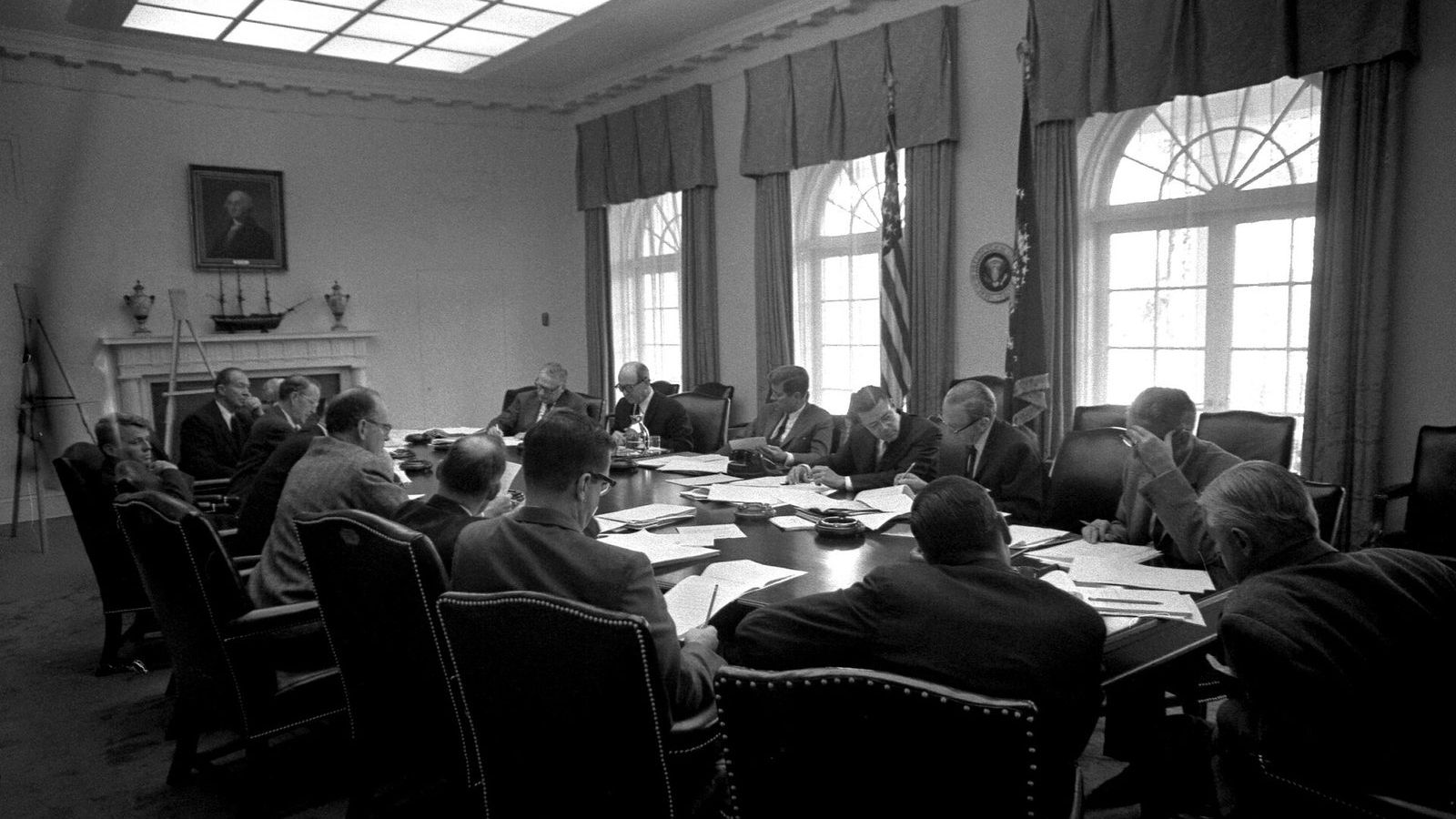
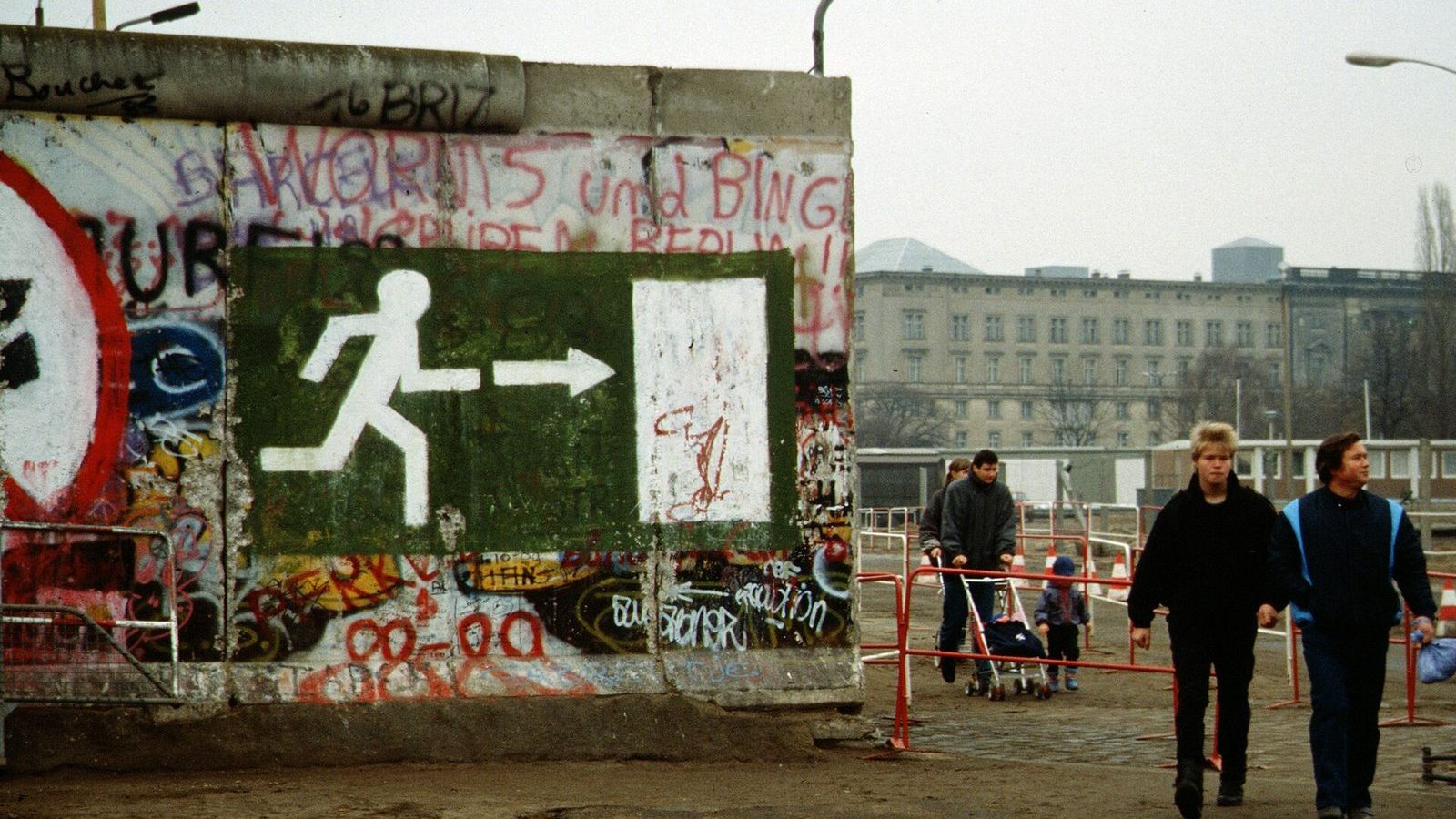
How the Cuban Missile Crisis was settled in thirteen days
Two letters from Khrushchev, a U-2 shot down, and a private meeting on a Saturday evening in October 1962. The crisis that came closest to nuclear war ended with a public promise and a secret one, and the documents now show how.
In the masterclass
Sovereignty, Power, and the Levels of Analysis
The vocabulary of the field, how power is measured, and how scholars know what they know
The Causes of War
Why states fight although war is costly for both, and what the data say about its decline
Civil Wars, Terrorism, and Peacebuilding
Why most wars since 1945 have been fought inside states, and what ends them