
The United Nations and international law
How a Security Council vote really works, why an abstention is not a veto, what a treaty binds a state to, and how human rights became law. The articles go with the units on international law and the United Nations and on human rights and humanitarian intervention, each one built on a real draft, a real vote, or a real judgment.
Articles
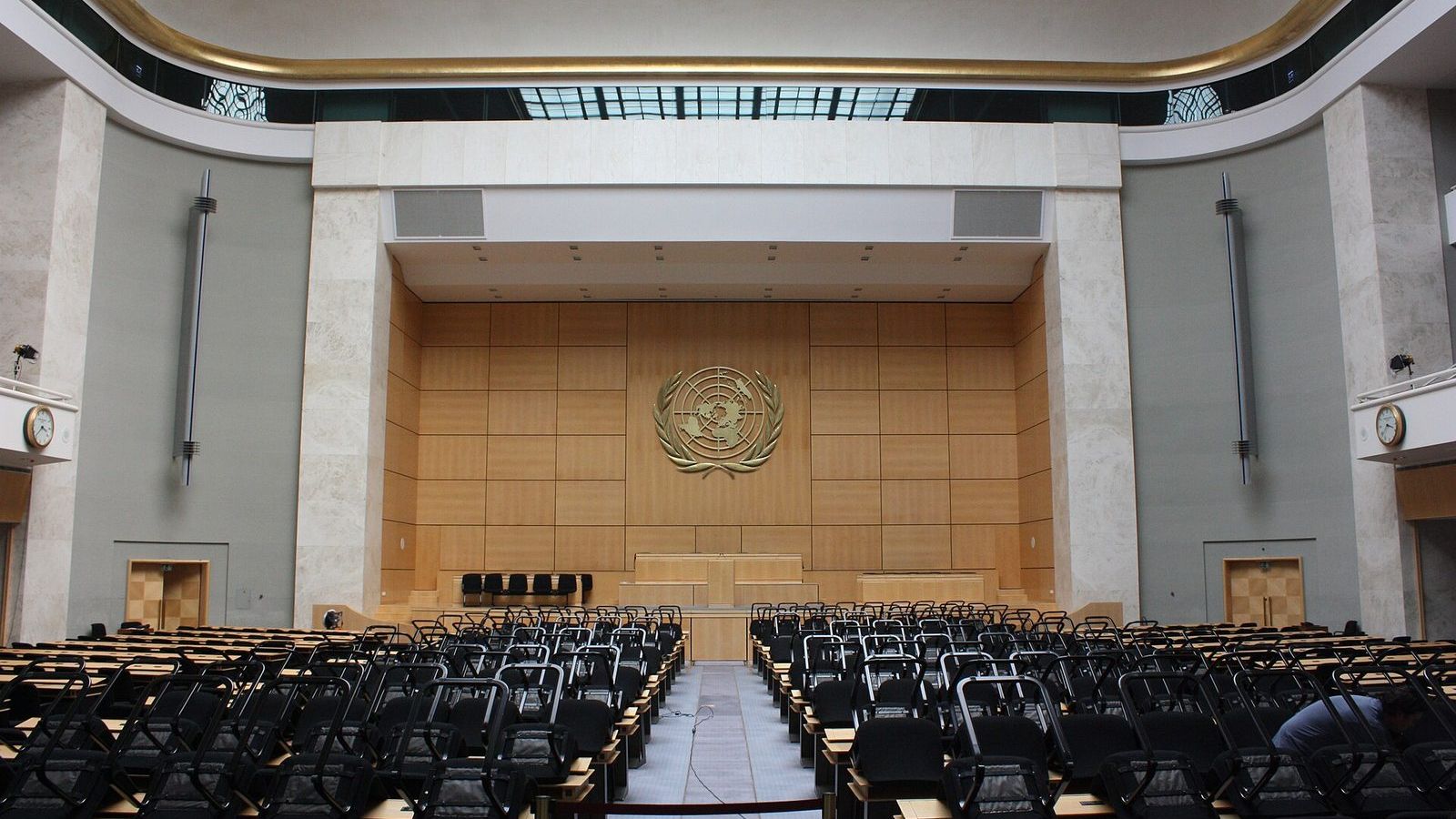
What you can do with a degree in international relations
Diplomatic services, the United Nations, the European Union, NGOs, research, journalism, and political risk: the routes into international affairs, what each asks for, the languages that help, and the honest ratios, without promises.
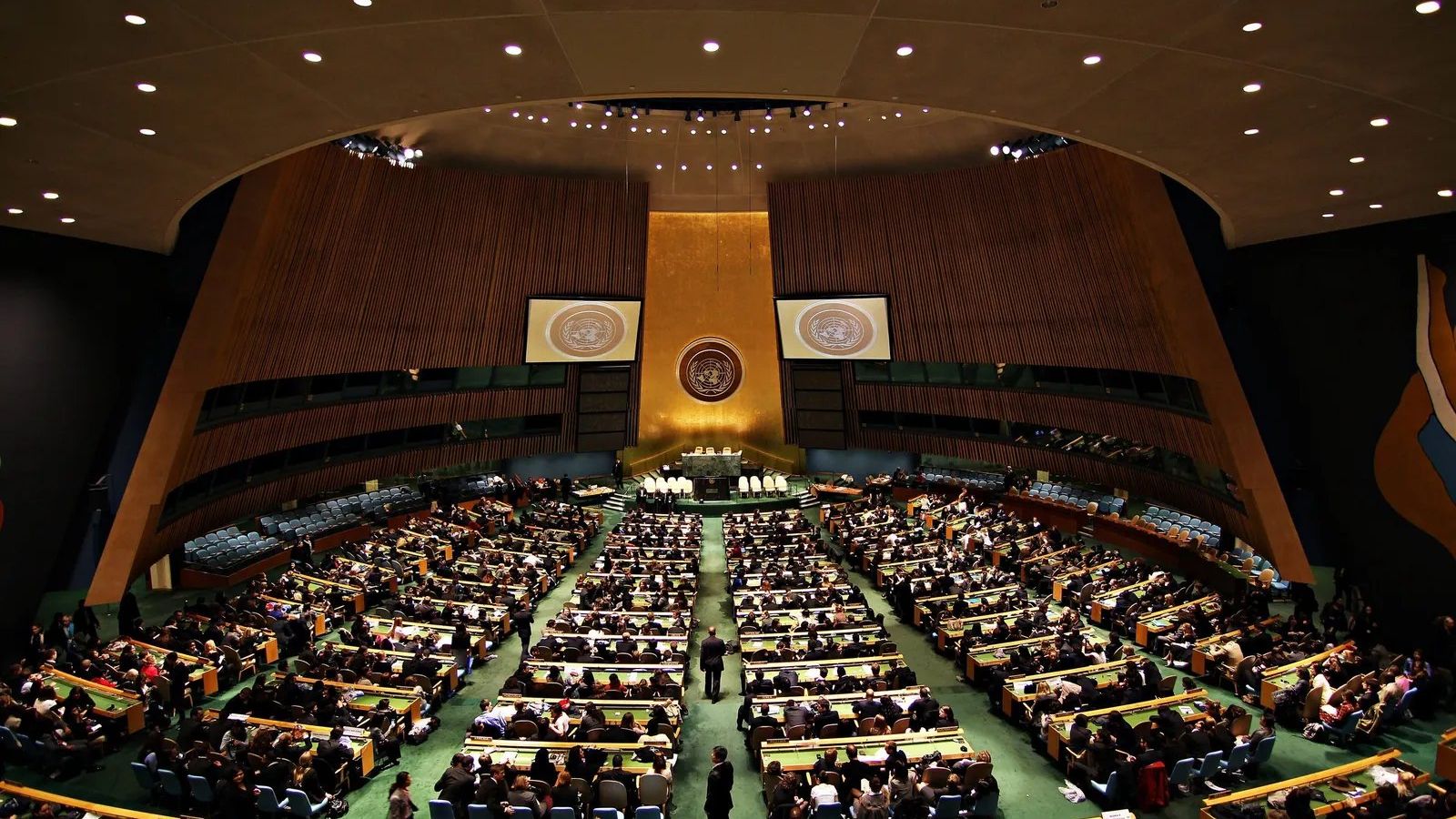
Ten numbers every student of world politics should know
193 member states, 15 seats and 5 permanent, 25 and 1,000 deaths, 191 parties, about 12,200 warheads, 53 and 26 per cent, 33 kilometres, 2,718 billion dollars, 865 kilometres, and one date. Each with how it is measured and where it comes from.

How to research a country position for Model UN
Votes, treaty ratifications, statements, military spending, trade, and conflicts, all from free databases, and how to turn them into a position paper that quotes the record. Worked for one country that is often assigned.
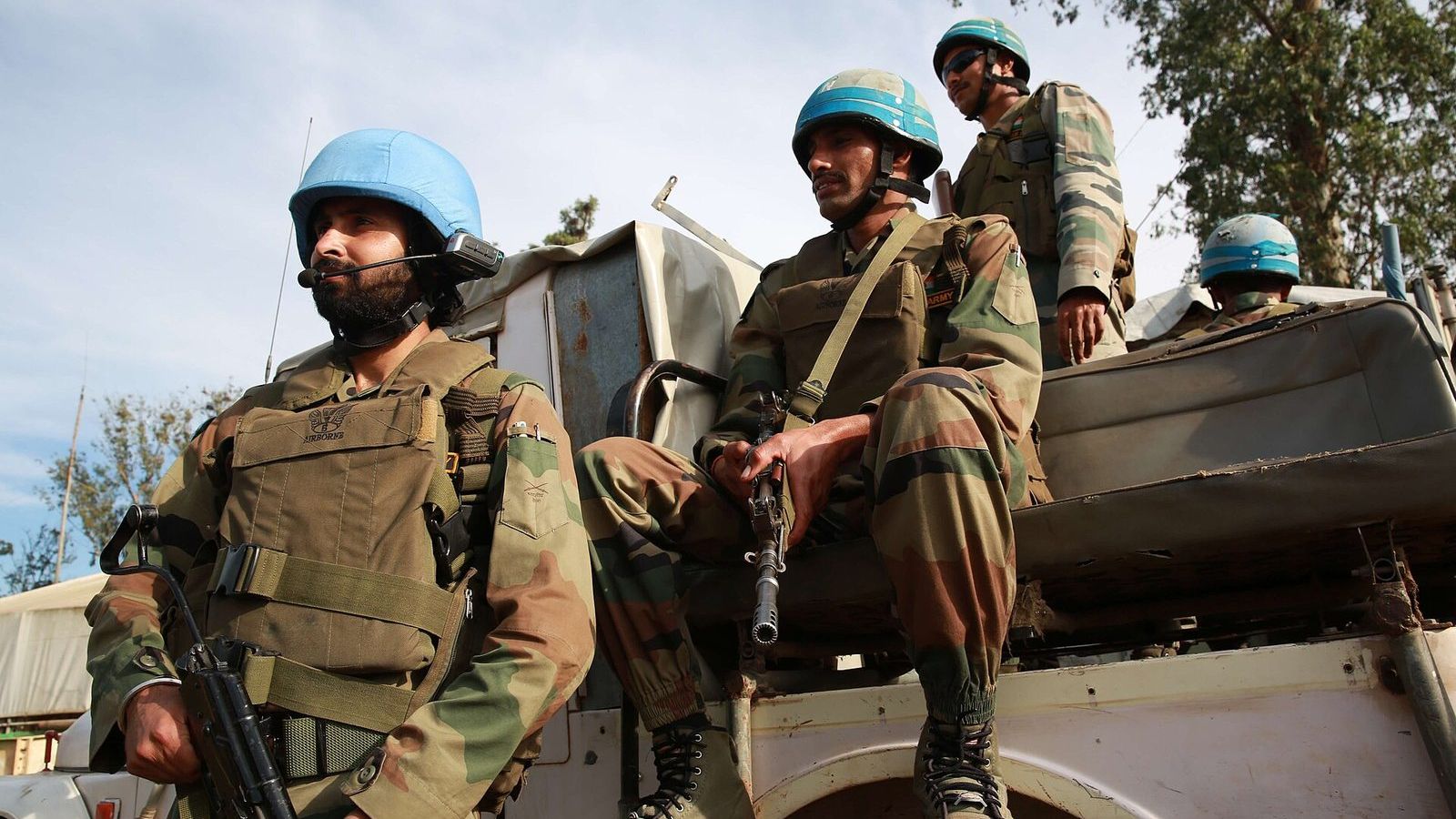
Does peacekeeping keep the peace?
Seventy-one missions since 1948, three principles from 1956, and a research record since 2000 that is more favourable than the news and more qualified than the brochures. Why the comparison is hard, what the studies found, and where the failures were.

The simple strategy that won a tournament and explains cooperation
In 1979 and 1980 a four-line program beat every clever entry in Robert Axelrod's tournaments. Cooperate first, then copy the other player. The result, and the number two thirds that goes with it, explains why treaties hold without a world government.
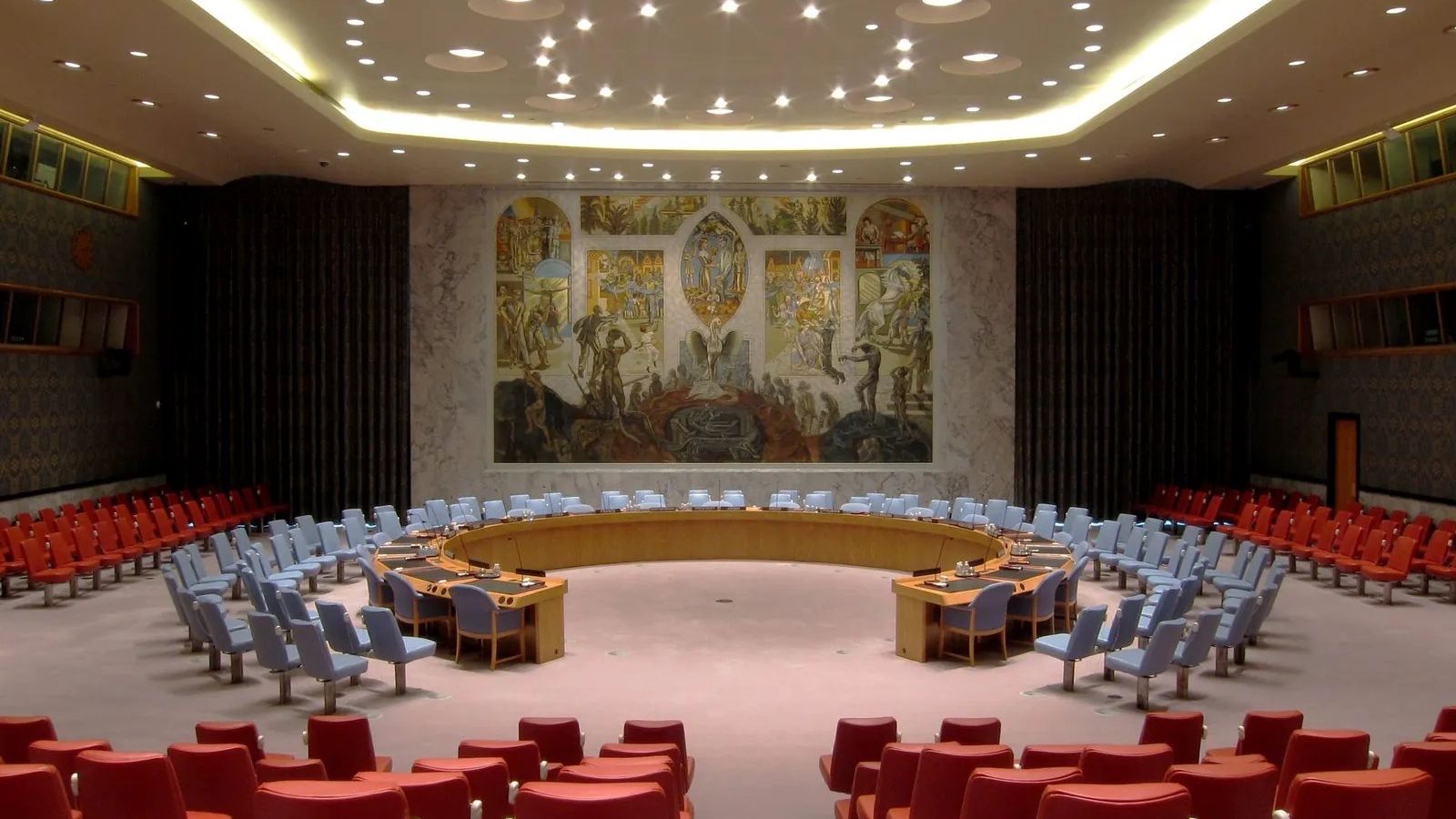
How a Security Council vote really works
Fifteen members, nine votes, five permanent seats, and one rule that is read differently from how it is written. One real draft resolution, counted line by line, shows why fourteen votes in favour can fail and why an abstention is not a veto.
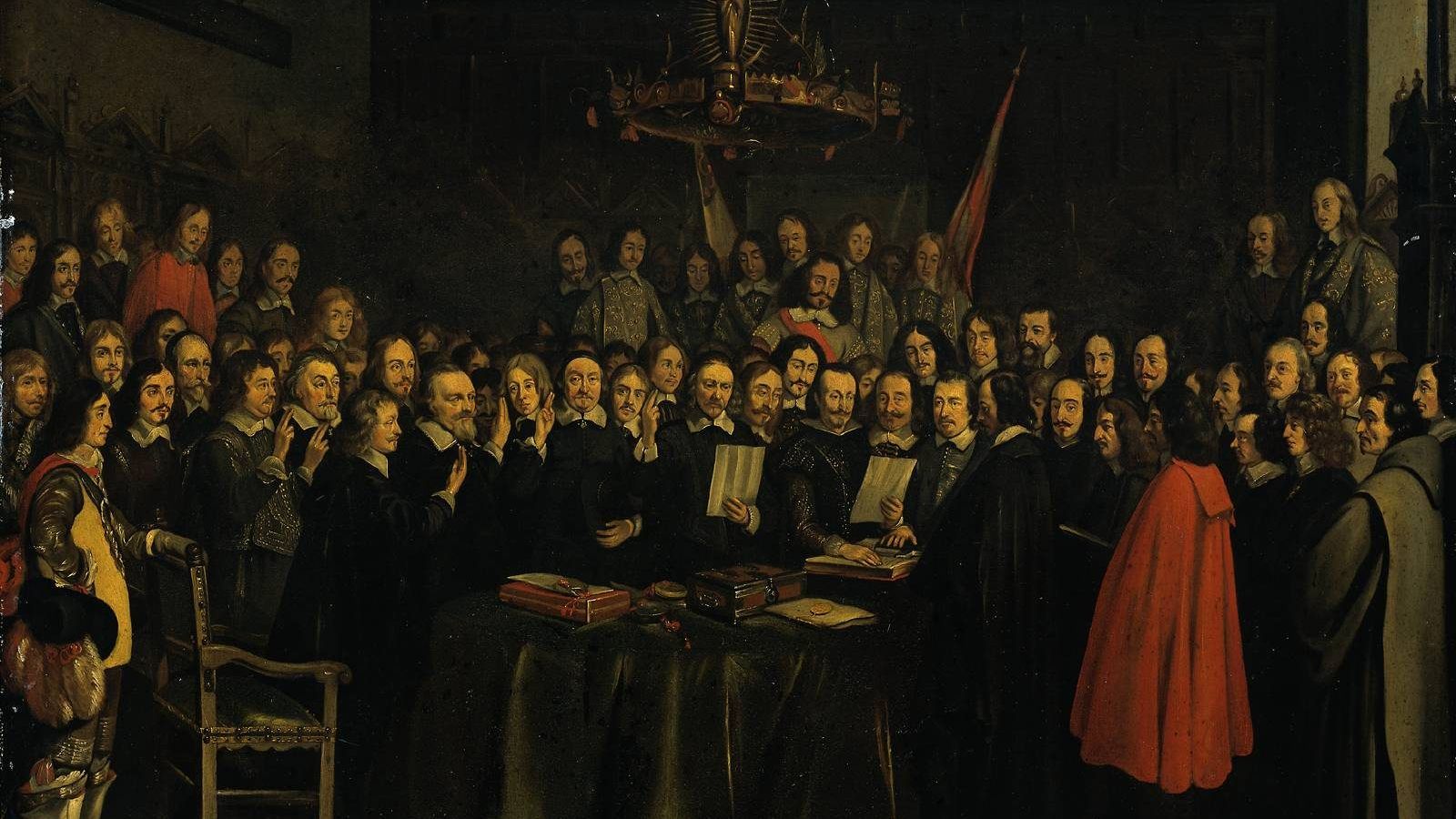
Did sovereignty begin in 1648?
Textbooks date the system of sovereign states to the Peace of Westphalia. The treaties signed on 24 October 1648 are long, detailed, and available in English, and the word sovereignty is not in them. Here is what they say, and where the label came from.