
Research presented in the program
Established scholarship is the foundation. The research spotlights show what is being built on it now: each unit presents the published work of a leading scholar of international relations and links to the original paper, which is free to read.
The scientists named here are not contributors to the Int. Rel. Masterclass, are not affiliated with it, and have not endorsed it. The program presents and explains their published research, with references to the original papers.
Research spotlights
Håvard Hegre
Forecasting armed conflict from conflict data
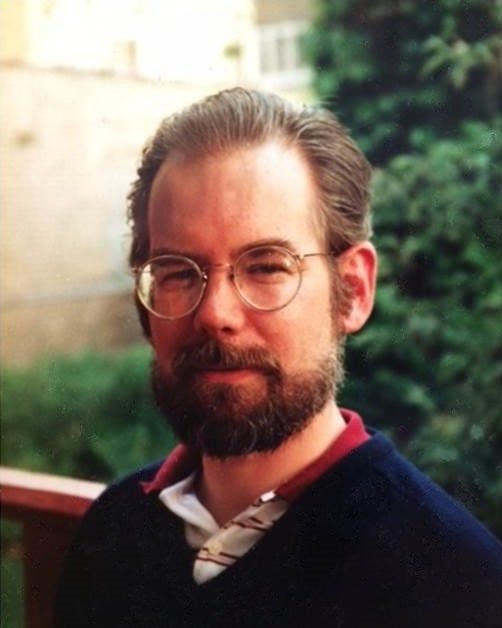
John J. Mearsheimer
Realist theory of international politics, great power competition, international institutions
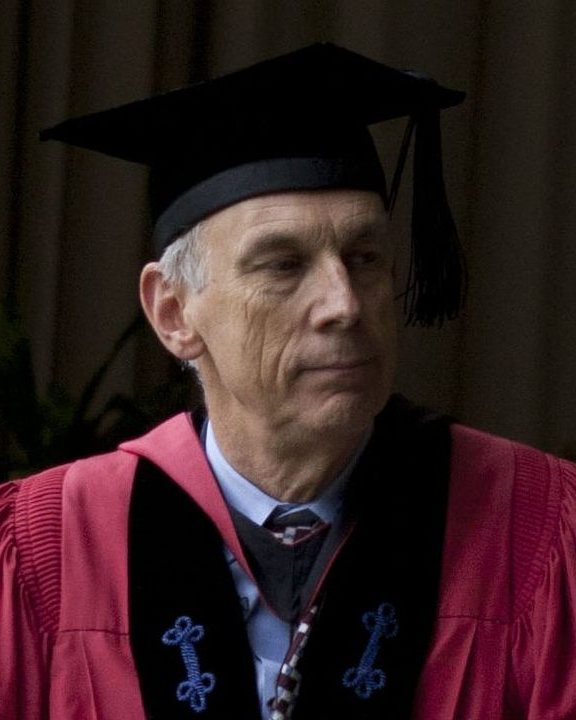
Robert O. Keohane
International institutions and the regime complex for climate change
Martha Finnemore
International norms and how they are built, spread, and changed
Keren Yarhi-Milo
How leaders and intelligence agencies assess an adversary's intentions
Jessica L. P. Weeks
Authoritarian regimes and the initiation of international conflict
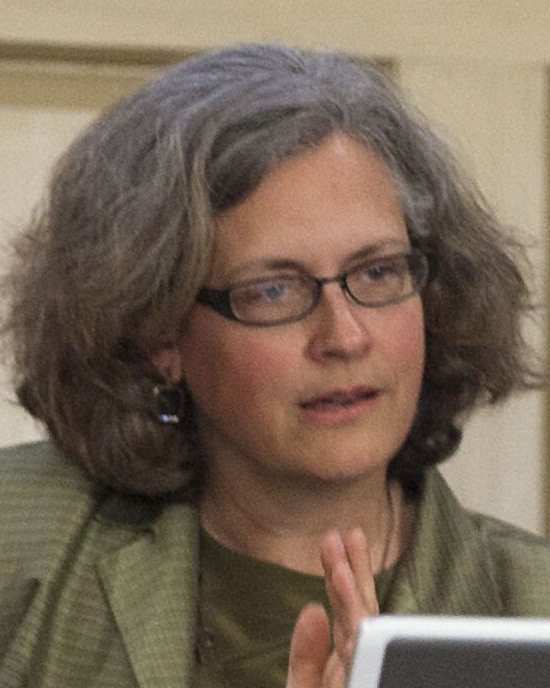
Beth A. Simmons
International law and international relations; when states comply with treaties and when they violate them
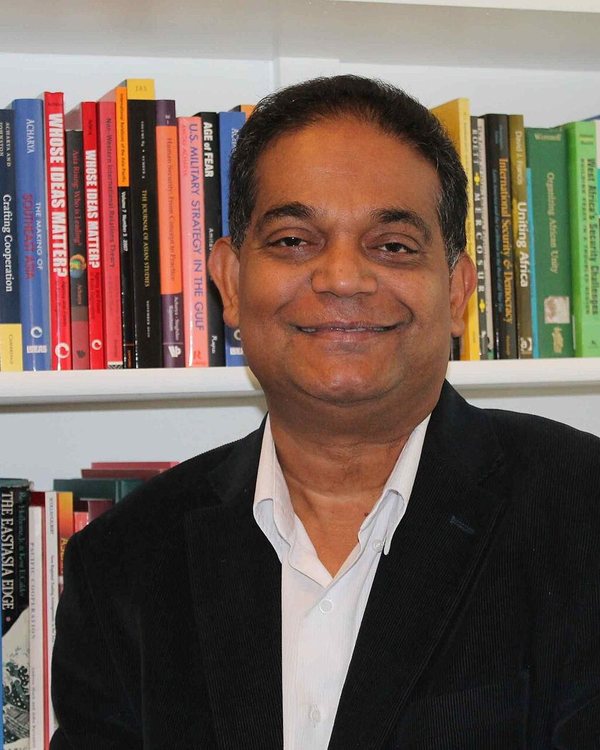
Amitav Acharya
International order, global governance, and the regions of the non-Western world
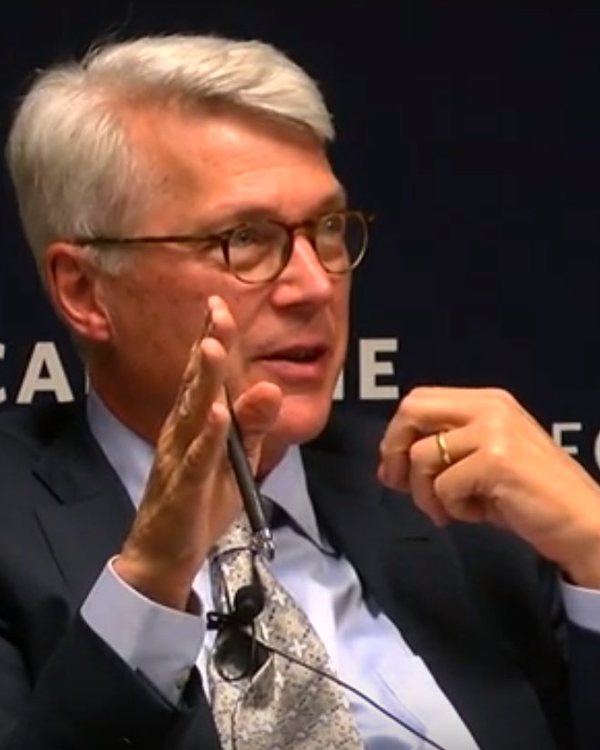
Scott D. Sagan
Nuclear weapons policy, command and control, proliferation, and the ethics of nuclear use

Henry Farrell
Weaponized interdependence in global economic networks
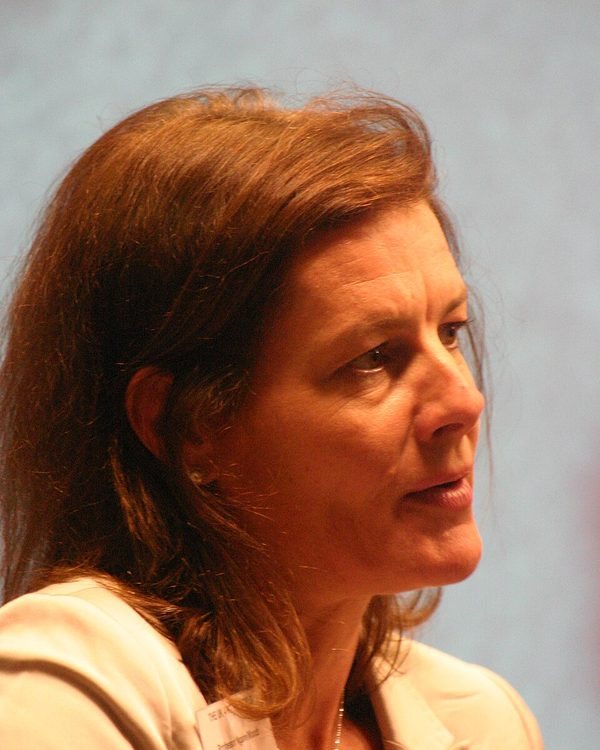
Ngaire Woods
The governance of the world economy after the financial crisis of 2008
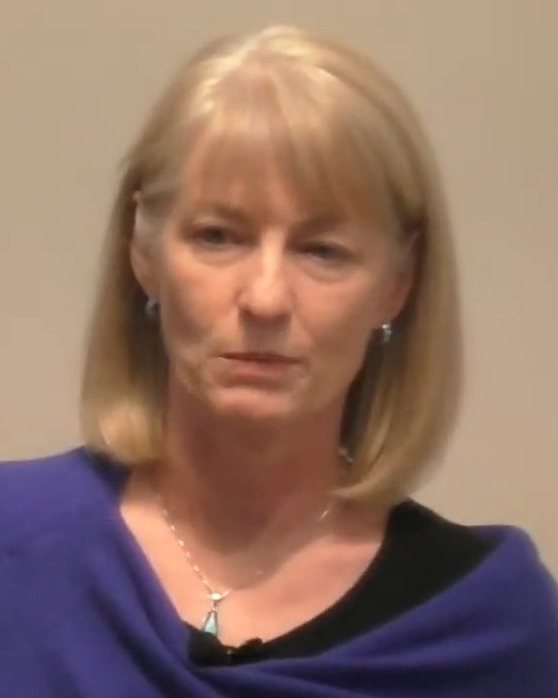
Kathryn Sikkink
Human rights, international norms and law, and the justice cascade in Latin America and beyond
James D. Fearon
Civil war, bargaining, and the international system
Erica Chenoweth
Civil resistance and political violence
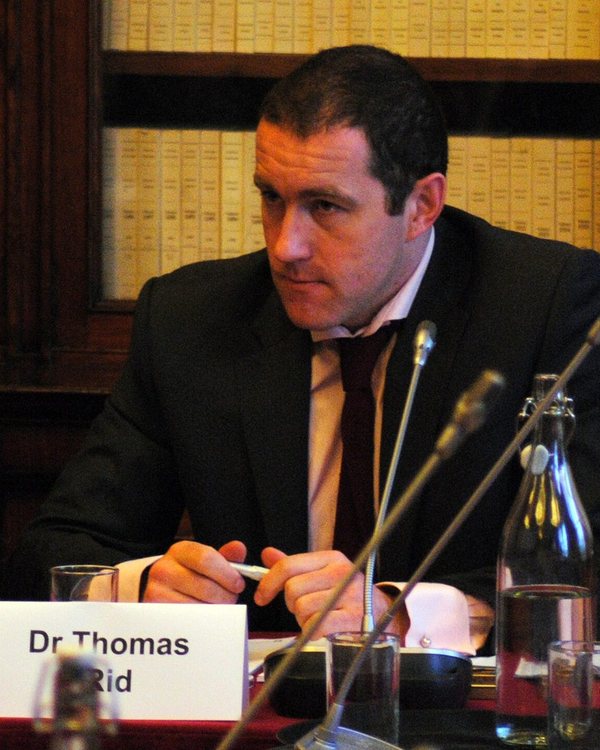
Thomas Rid
Strategic studies, the history and attribution of cyber operations, and disinformation
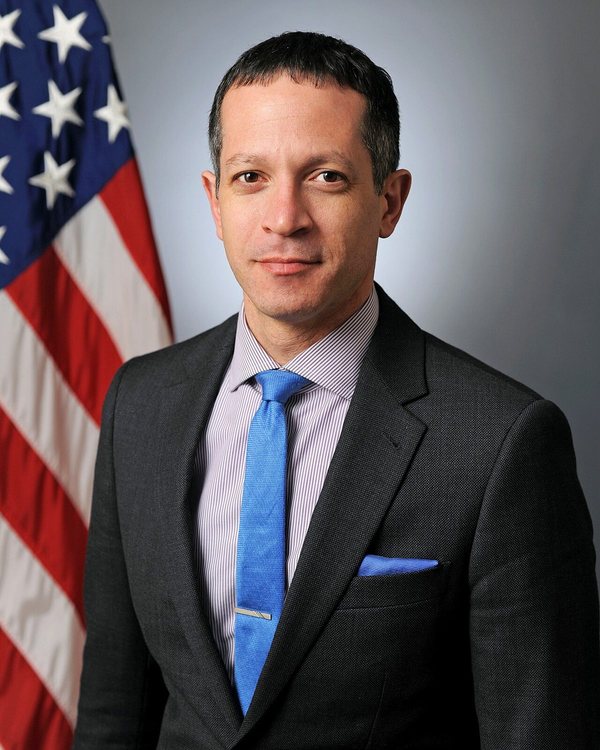
Michael C. Horowitz
Artificial intelligence, military innovation, and the balance of power
Michael Byers
International law and politics of outer space, uncontrolled rocket re-entries
Ingvild Bode
Norms, autonomous weapons, and the practices of armed forces
Science is something people do
A formula can look as if it had always been there. The spotlights show that the questions are open, that the methods of each unit are in use today, and who is using them. For every unit you also receive a reading list with further papers that are free to read.