
Diplomacy and crises
How the Cuban Missile Crisis was settled in thirteen days, what a back channel can do, and why Stanislav Petrov did not pick up the telephone. The articles follow the units on diplomacy and negotiation and on nuclear deterrence, reading the declassified record line by line, and they ask how a mediator earns an agreement.
Articles
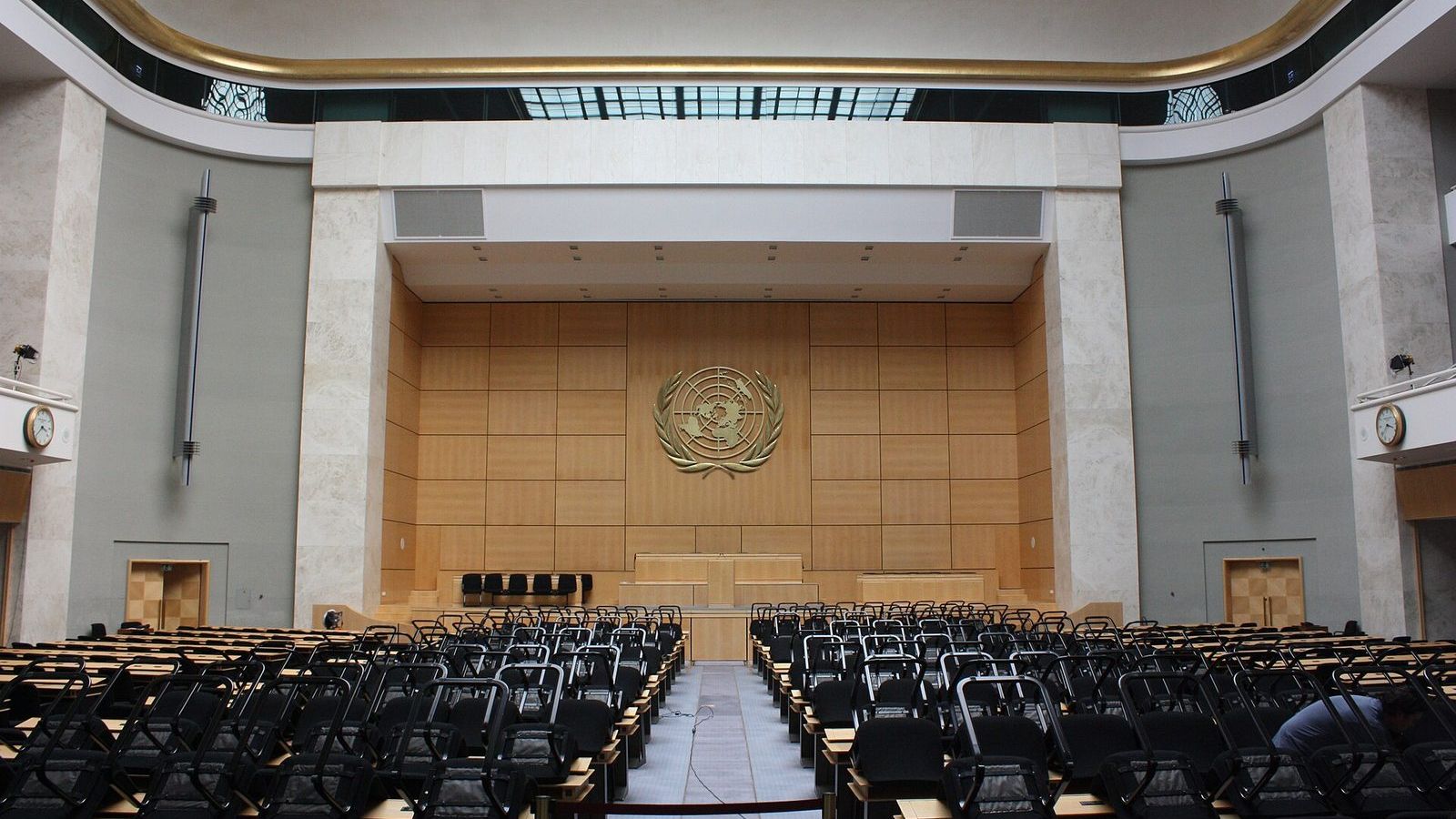
What you can do with a degree in international relations
Diplomatic services, the United Nations, the European Union, NGOs, research, journalism, and political risk: the routes into international affairs, what each asks for, the languages that help, and the honest ratios, without promises.

The night Stanislav Petrov did not call
On 26 September 1983 a Soviet early warning system reported five American missiles with the highest confidence. The duty officer reported a malfunction. Minute by minute, why he doubted the screen, the other false alarms of the Cold War, and why the episode matters for automated warning today.
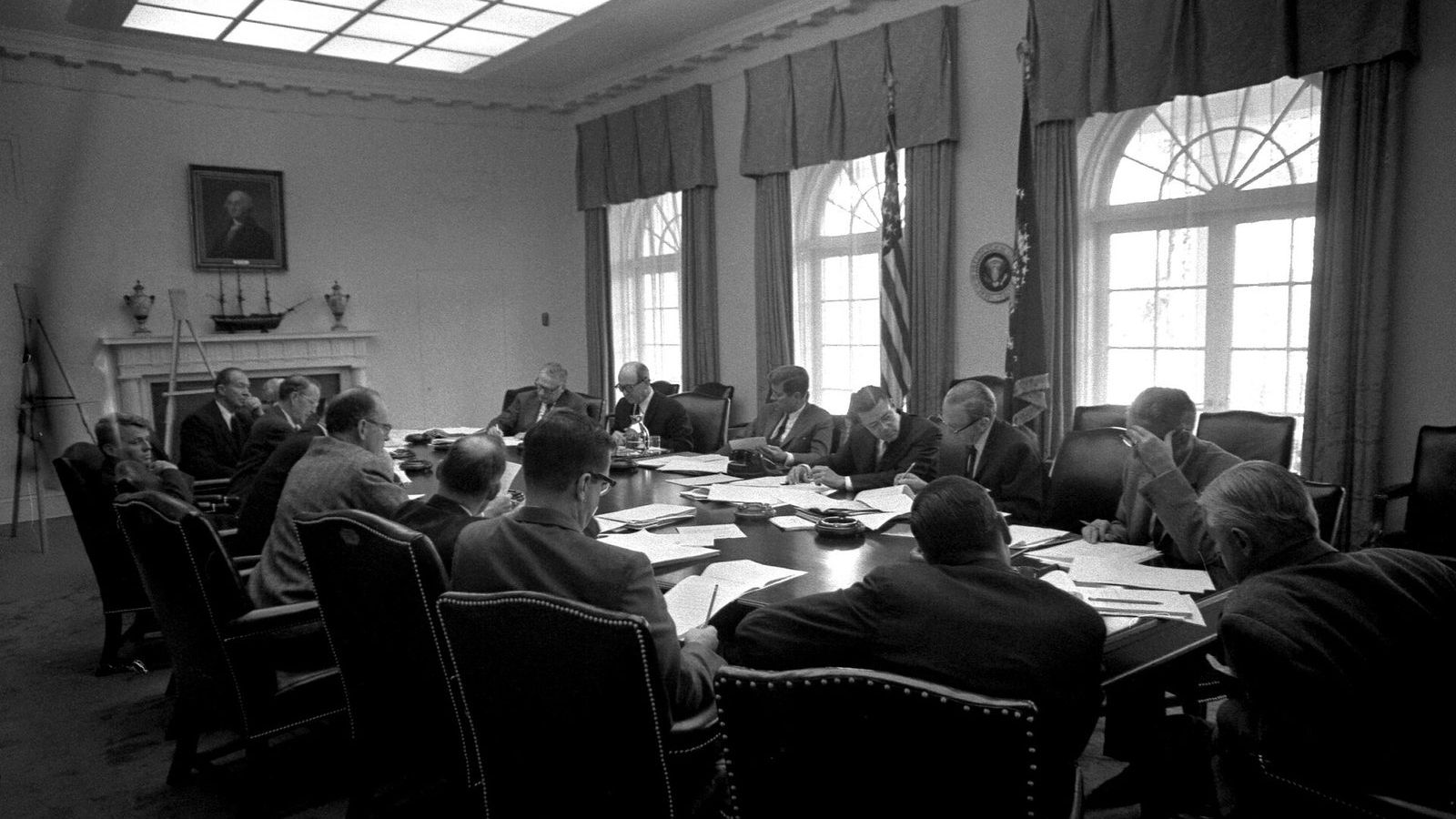
How the Cuban Missile Crisis was settled in thirteen days
Two letters from Khrushchev, a U-2 shot down, and a private meeting on a Saturday evening in October 1962. The crisis that came closest to nuclear war ended with a public promise and a secret one, and the documents now show how.