 Image: Basil D Soufi, CC BY-SA 3.0
Ten numbers every student of world politics should know
A scholar of international relations reads a headline with a set of numbers already in mind, and most of the judgement happens in the comparison. A report that a state has spent 100 billion dollars on its armed forces means little until it is set against the world total; a report of a thousand deaths in a conflict means one thing in the Uppsala data's vocabulary and another in a newspaper's. These are ten of the numbers that do that work. Each comes with how it is measured, where it comes from, and a date, because every one of them changes, and the key concepts page of the masterclass is where the concepts behind them are collected.
193
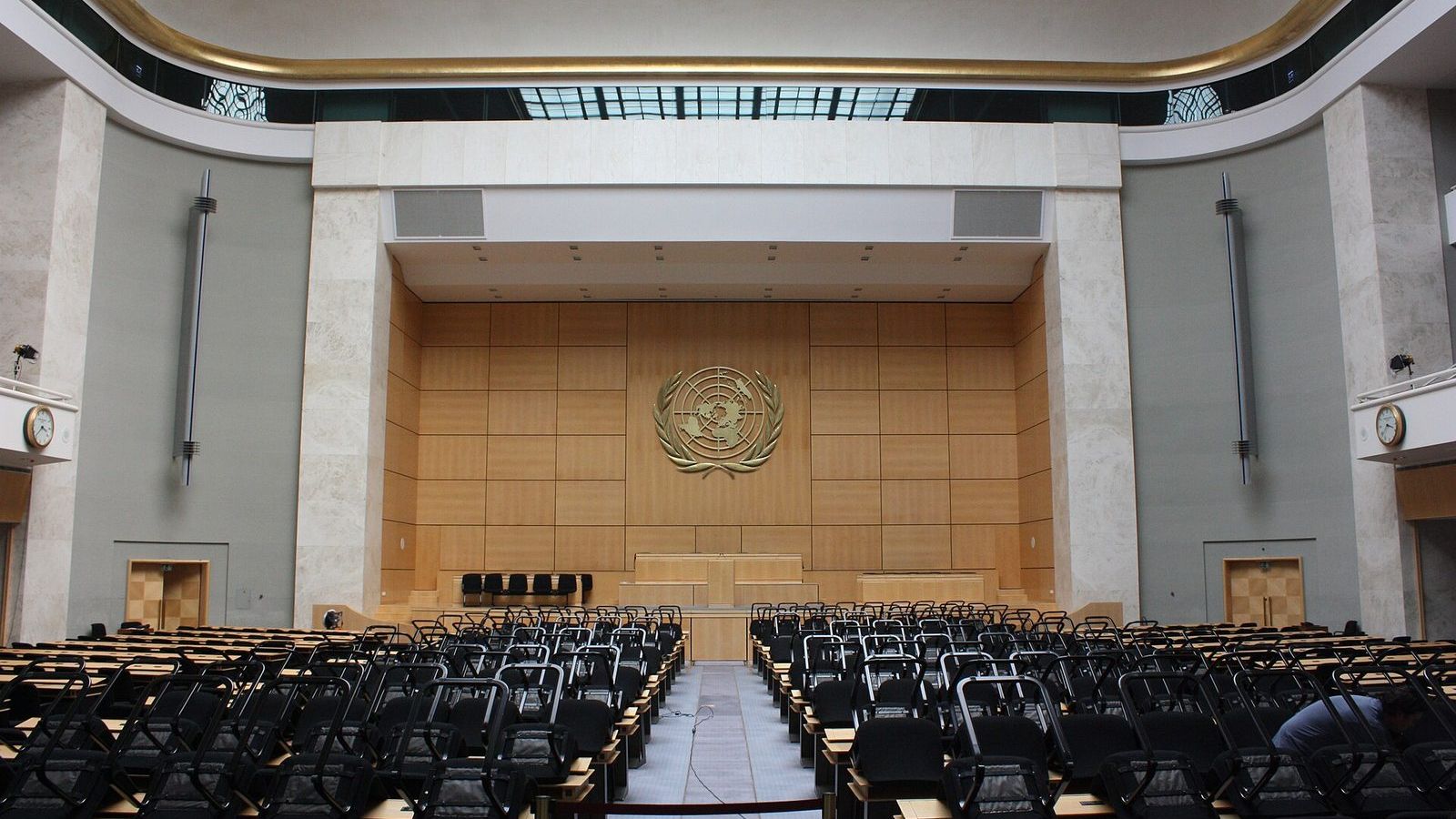
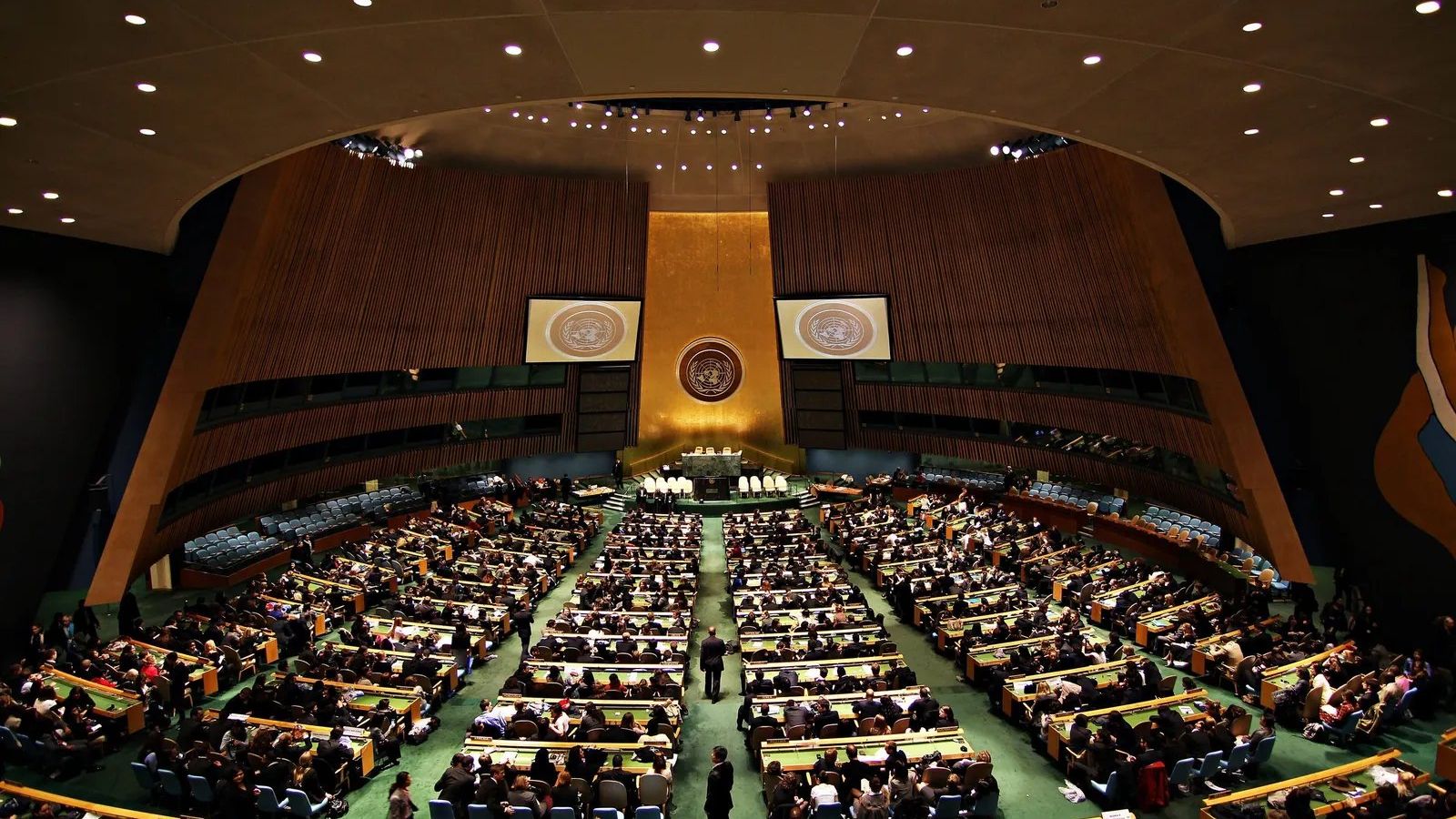
The United Nations has 193 member states. Fifty-one founded it in 1945, and the count reached 193 when South Sudan was admitted on 14 July 2011. It has not changed since. The Holy See and Palestine sit in the General Assembly as observer states without a vote, and Kosovo and Taiwan are among the governments that are not members. When a vote is reported as 141 to 5 with 35 abstentions, as resolution ES-11/1 of 2 March 2022 was, the missing dozen were absent, and 193 is the number the others are measured against.
15, 5, and 9
The Security Council has fifteen members. Five hold permanent seats: China, France, Russia, the United Kingdom, and the United States. Ten are elected by the General Assembly for two years at a time. A decision on any matter other than procedure needs nine votes in favour and no vote against from a permanent member, under Article 27 of the Charter. An abstention by a permanent member is not a veto, by a practice accepted since the 1940s and confirmed by the International Court of Justice in 1971. This is why a draft with fourteen votes in favour can fail and a resolution with ten in favour and five abstentions, like resolution 1973 on Libya in March 2011, can pass.
25 and 1,000
In the Uppsala Conflict Data Program's definitions, a contested incompatibility between two parties, at least one a government, in which the fighting causes at least 25 battle-related deaths in a calendar year is an armed conflict, and one causing at least 1,000 in a year is a war. The Correlates of War project, the older dataset, uses 1,000 battle deaths for a war. The thresholds are why the count of wars in the world in any year is a small number, usually between five and fifteen, while the count of armed conflicts is in the fifties, and why two reports that seem to disagree about how many wars there are usually agree about everything except the definition.
191
The Treaty on the Non-Proliferation of Nuclear Weapons, signed on 1 July 1968 and in force since 5 March 1970, has 191 states parties by the UN's count. Four states with nuclear weapons are outside it: India, Pakistan, and Israel never joined, and North Korea announced its withdrawal in 2003, which the other parties have never formally accepted, so that some lists still count it. South Sudan is the only other non-party. The number makes the NPT the most widely accepted arms control treaty in existence, and it is the number to hold against any claim that the non-proliferation system has collapsed.
About 12,200, and 86 per cent
The world's nuclear-armed states held about 12,200 warheads at the start of 2026, by the Federation of American Scientists' estimate, down from a peak of about 70,300 in 1986. Russia and the United States hold about 86 per cent of them. Of the total, about 3,900 were deployed on missiles or at bomber bases and about 2,100 were on high alert. The number is re-estimated every January, and a student who quotes it should quote the year; the source explains how the counting is done without inspections.
53 and 26
Of the 323 campaigns between 1900 and 2006 in which a population tried to remove a government, end an occupation, or secede, those that relied mainly on nonviolent methods succeeded in about 53 per cent of cases and those that relied on arms in about 26 per cent, in Erica Chenoweth and Maria Stephan's data. The rate for nonviolent campaigns fell to about a third in the 2010s. The comparison is the most quoted finding in the study of civil resistance, and its conditions, which the data require, are that the goal was maximalist and that success is measured within a year of the campaign's peak.
33 kilometres and a fifth
The Strait of Hormuz, between Iran and Oman, is about 33 kilometres wide at its narrowest point, roughly the distance from central London to Heathrow and back, and the shipping lanes within it are about three kilometres wide in each direction. About a fifth of the world's oil consumption passes through it, by the US Energy Information Administration's estimate, which is re-read and dated in the unit that uses it. The number is the first thing to recall when a headline says that a state has threatened to close the strait, and the second thing is that nobody has managed to for more than a few days.
2,718 billion dollars
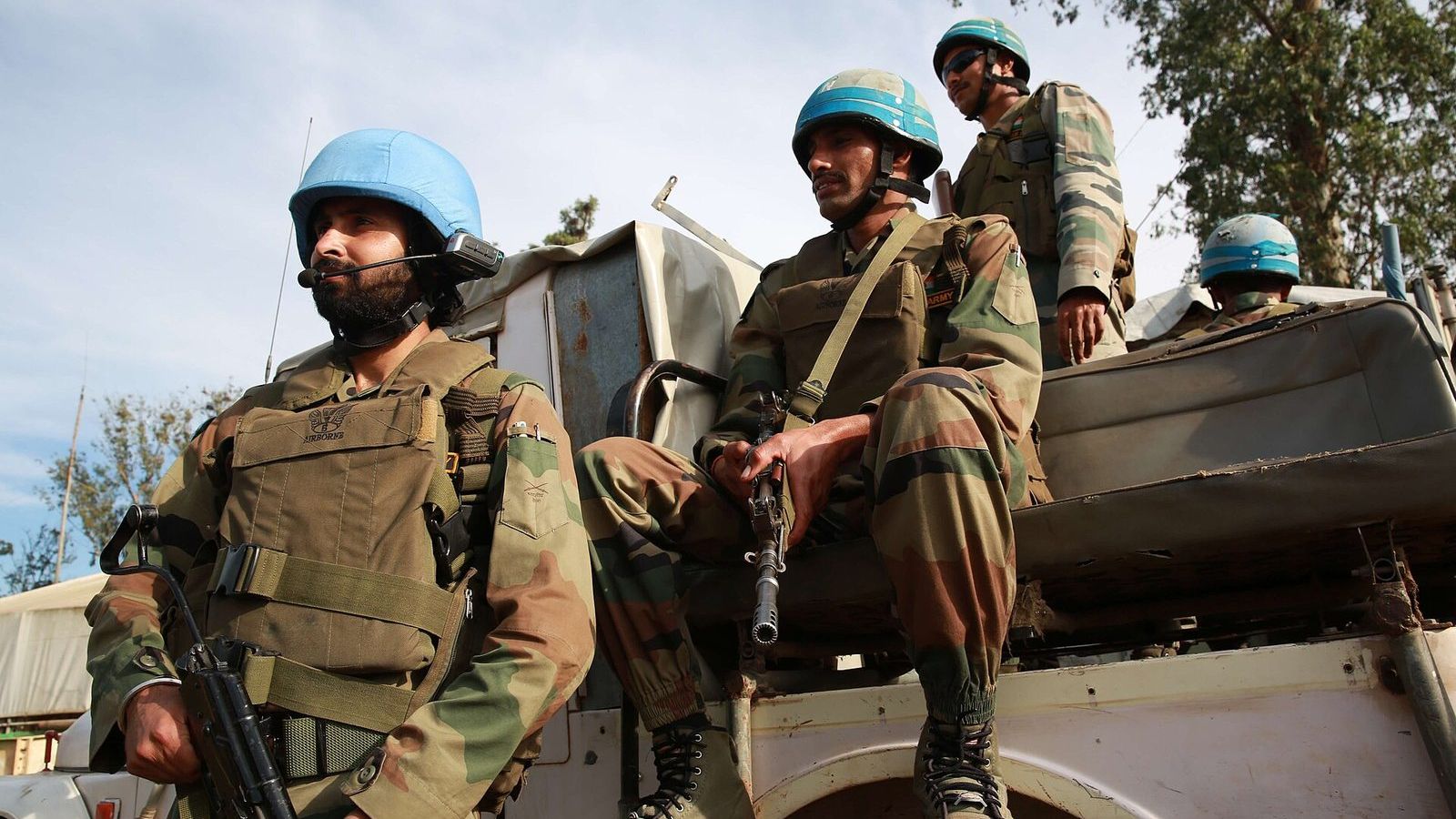
The world spent about 2,718 billion US dollars on its armed forces in 2024, in the prices of that year, by the Stockholm International Peace Research Institute's count, which rose faster than in any year since the end of the Cold War. That is about 330 dollars for every person alive. The United States spent about 997 billion of it, which is about as much as the next nine states together. The comparison that puts the figure in scale is that the United Nations' peacekeeping budget for the same year was about 5.6 billion dollars, about a fifth of one per cent of the total.
865 kilometres
China destroyed its satellite Fengyun-1C in an anti-satellite test on 11 January 2007 at an altitude of about 865 kilometres, where atmospheric drag is so weak that the more than 3,500 catalogued fragments will take decades to centuries to come down. Russia's test of 15 November 2021 was at about 480 kilometres, and its roughly 1,800 fragments were nearly all gone within three years. The altitude of a satellite, or of a test, is the number that tells you how long the consequences last.
24 October
The treaties of Westphalia were signed at Münster and Osnabrück on 24 October 1648, ending the Thirty Years' War, and the Charter of the United Nations entered into force on 24 October 1945, which is why the date is United Nations Day. The coincidence is only a coincidence, but it brackets the three centuries in which the sovereign state became the way the world is organized. Whether Westphalia founded sovereignty is disputed by the historians, and Unit 8 of the masterclass goes through the treaty texts to let the reader decide; what is not disputed is that the state system the Charter was written for in 1945 is the one whose anniversary the Westphalian date marks.
Ten numbers do not make a scholar, and several on this list will be out of date by next year, which is why each one above names its source. The habit they teach is the one the masterclass tries to build from its first unit: a fact is a value, with a method of measurement, from a named source, on a date. The key concepts page collects the concepts behind these numbers, from sovereignty and the security dilemma to the attribution problem and the Kessler syndrome, in the order of the units, and the curriculum shows where each number is taught.