
The theories of world politics
Why states fight when war ruins both sides, how rivals come to cooperate, whether democracies fight each other, and how a weapon becomes unthinkable. These articles go with the units on realism, liberalism, constructivism, and the causes of war, and each one tests a theory on a case with the numbers or the documents behind it.
Articles

How chemical weapons became unthinkable
From the chlorine cloud at Ypres on 22 April 1915 to the last declared rocket destroyed in Kentucky on 7 July 2023. Read as the life cycle of a norm, the story shows how a standard of behaviour emerges, cascades, and becomes law, and where it is still tested.
Do democracies fight each other?
Among roughly 95 interstate wars since 1816, no clear case of two established democracies fighting each other has been found. What the democratic peace claims, how the dyad-year statistics behind it are built, the hard cases, and what it does not say.
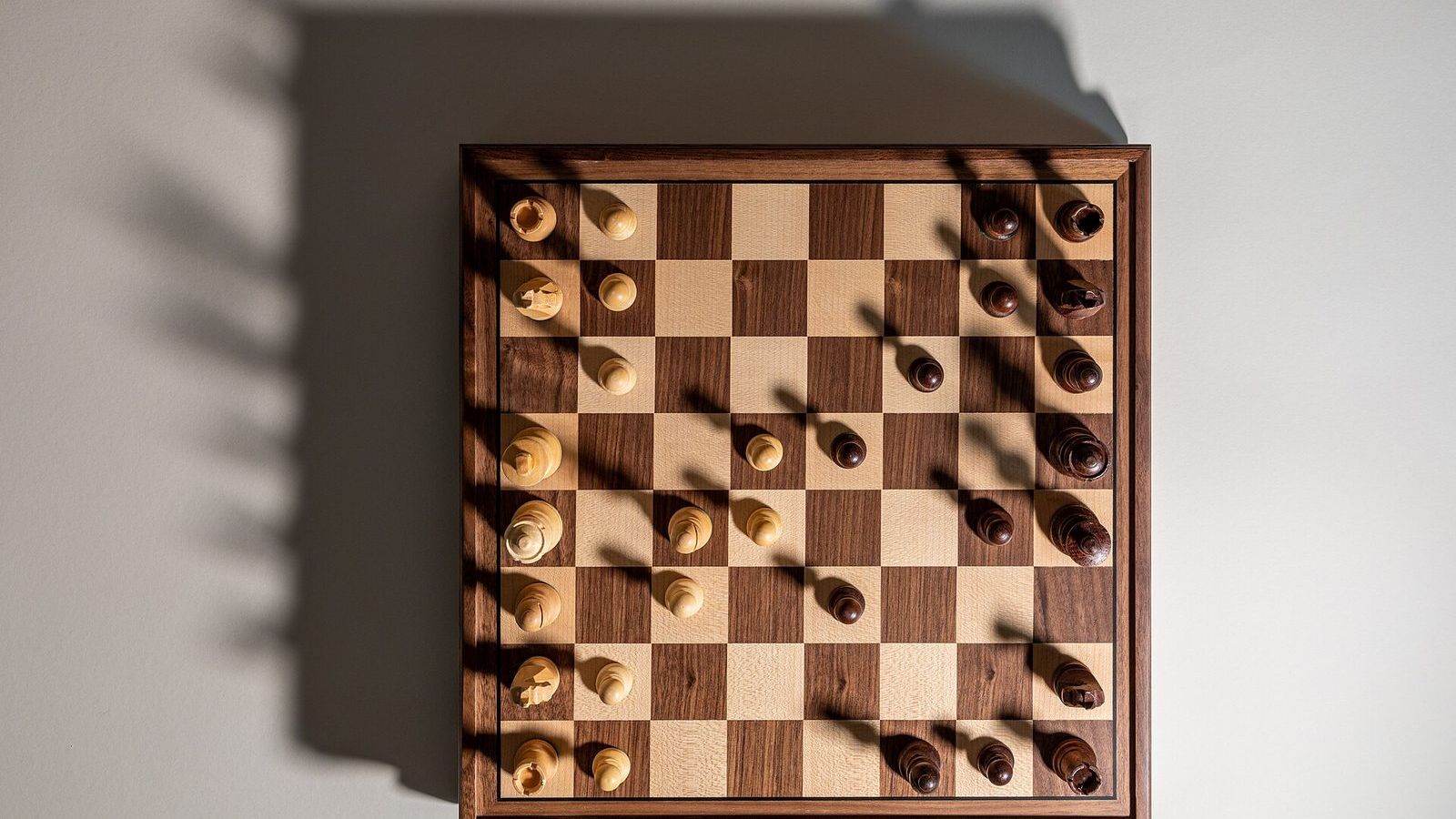
The simple strategy that won a tournament and explains cooperation
In 1979 and 1980 a four-line program beat every clever entry in Robert Axelrod's tournaments. Cooperate first, then copy the other player. The result, and the number two thirds that goes with it, explains why treaties hold without a world government.
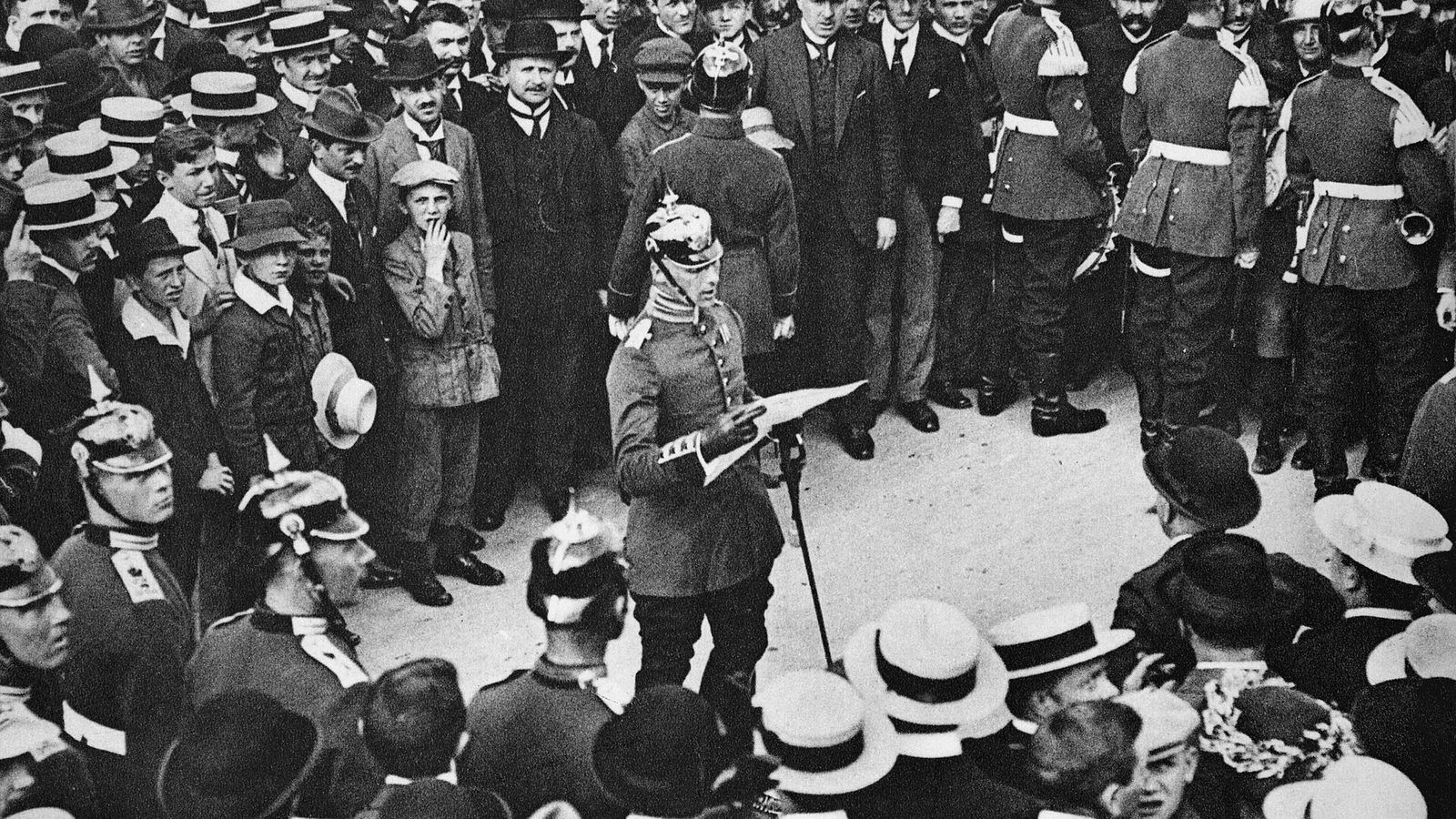
Why states fight when war ruins both sides
Every war ends in a settlement that both sides could in principle have reached before the first shot, without paying for the fighting. So why do they fight? A model from 1995 gives three answers, and the summer of 1914 tests all of them.
In the masterclass
Realism and the Balance of Power
The oldest tradition of the field, stated by the people who hold it
Liberalism, Institutions, and Interdependence
Why cooperation under anarchy is possible, and what institutions, trade, and democracy do to it
Constructivism, Identity, and Norms
How shared ideas shape what states want, and how a norm is born, spreads, and dies
The Causes of War
Why states fight although war is costly for both, and what the data say about its decline