
Int. Rel. Masterclass Blog
Explanations, background, and advice for curious students.
Latest articles
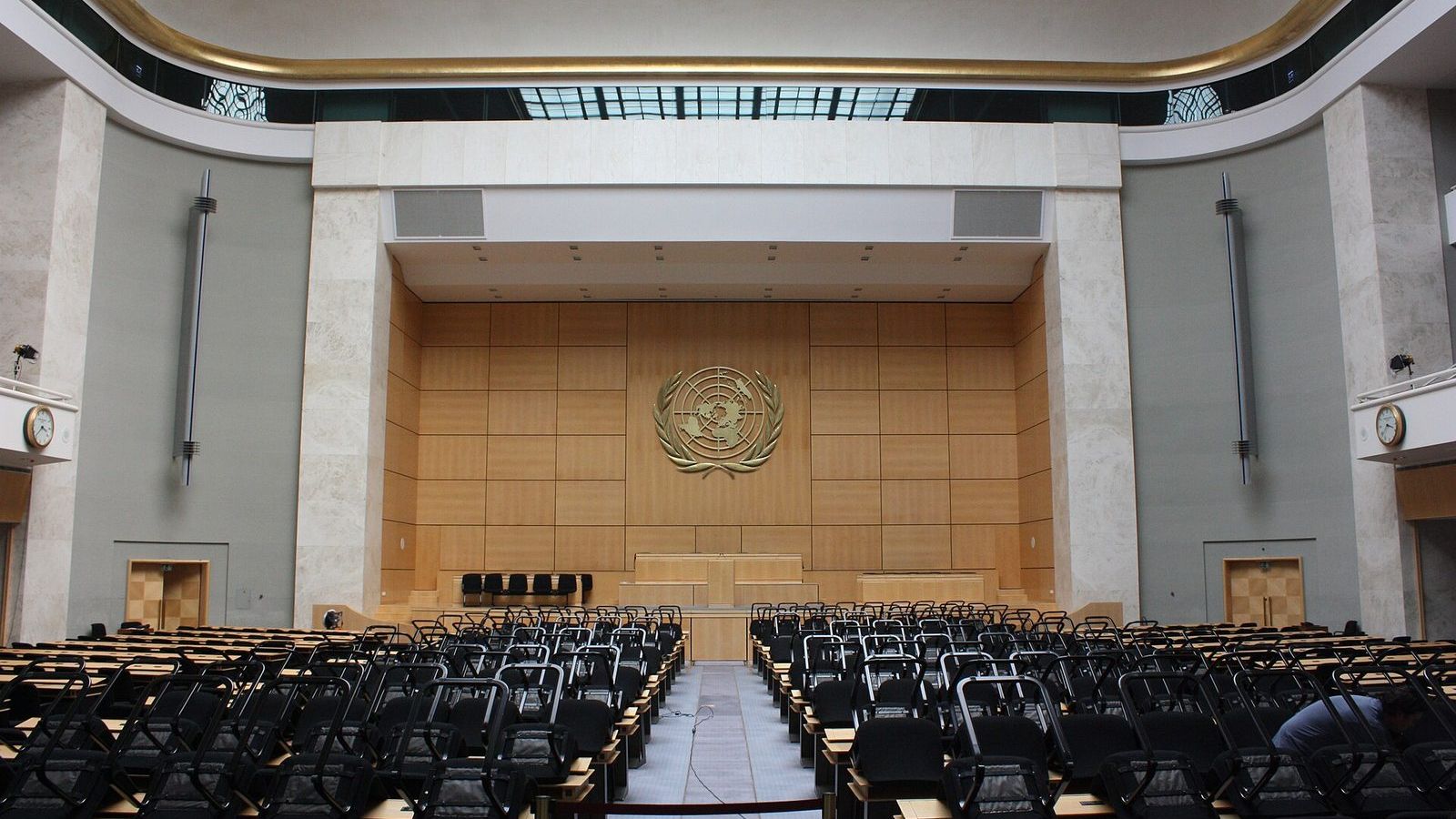
What you can do with a degree in international relations
Diplomatic services, the United Nations, the European Union, NGOs, research, journalism, and political risk: the routes into international affairs, what each asks for, the languages that help, and the honest ratios, without promises.
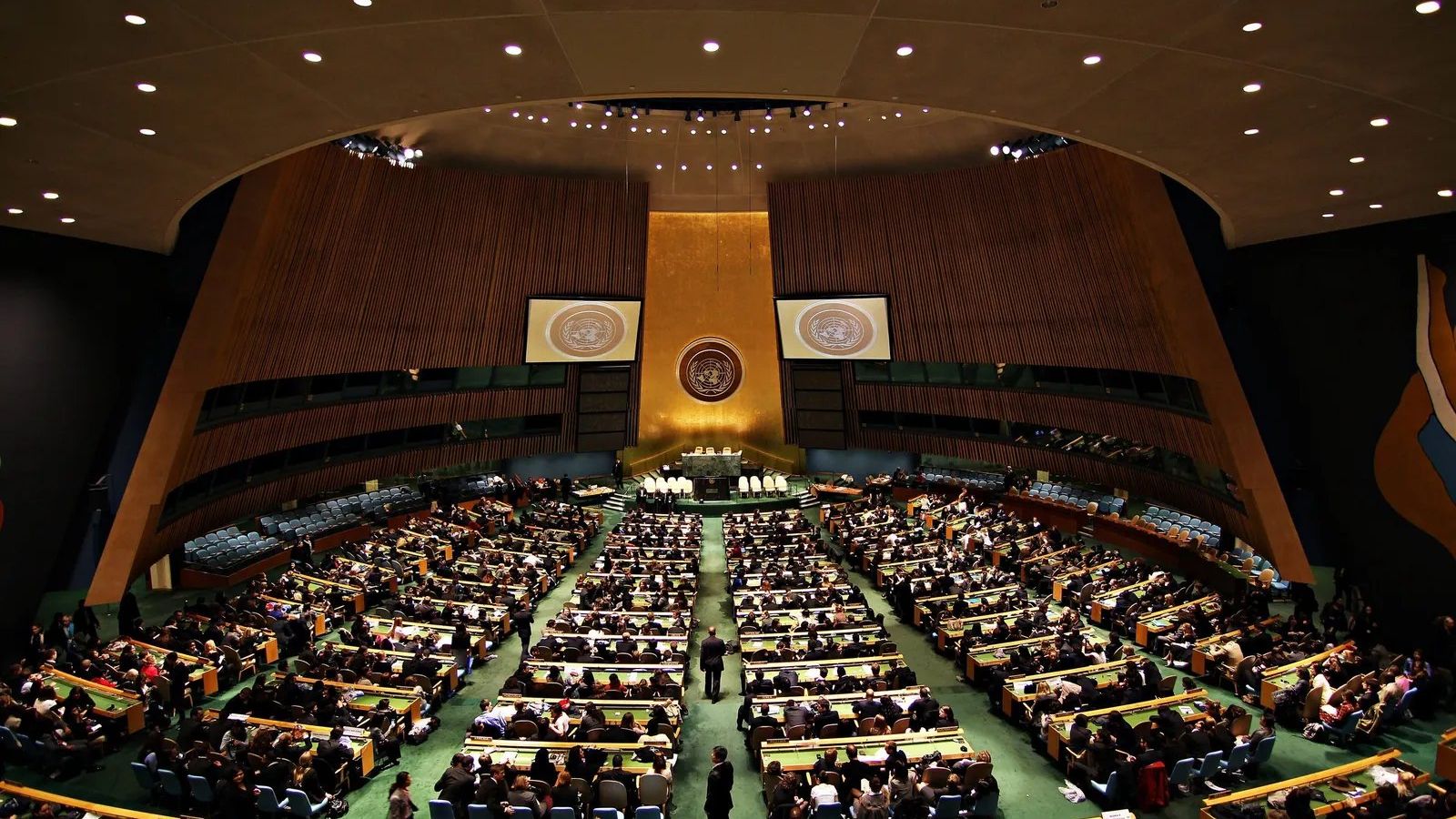
Ten numbers every student of world politics should know
193 member states, 15 seats and 5 permanent, 25 and 1,000 deaths, 191 parties, about 12,200 warheads, 53 and 26 per cent, 33 kilometres, 2,718 billion dollars, 865 kilometres, and one date. Each with how it is measured and where it comes from.

How to research a country position for Model UN
Votes, treaty ratifications, statements, military spending, trade, and conflicts, all from free databases, and how to turn them into a position paper that quotes the record. Worked for one country that is often assigned.
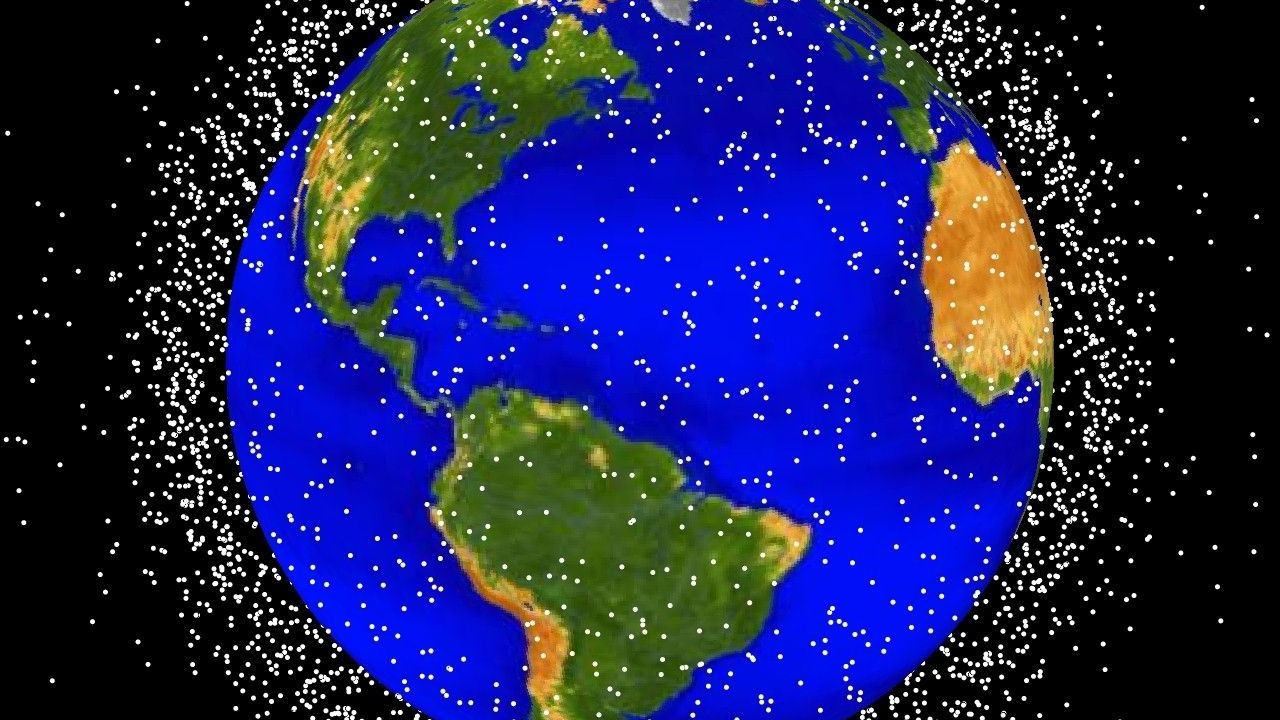
Why a satellite destroyed at 850 kilometres is a problem for decades
China's test of January 2007 at about 865 kilometres left more than 3,500 catalogued fragments, most still in orbit. Russia's test of November 2021 at about 480 kilometres left about 1,800, nearly all gone by 2025. One formula, one rule of thumb, and the altitude that explains the difference.
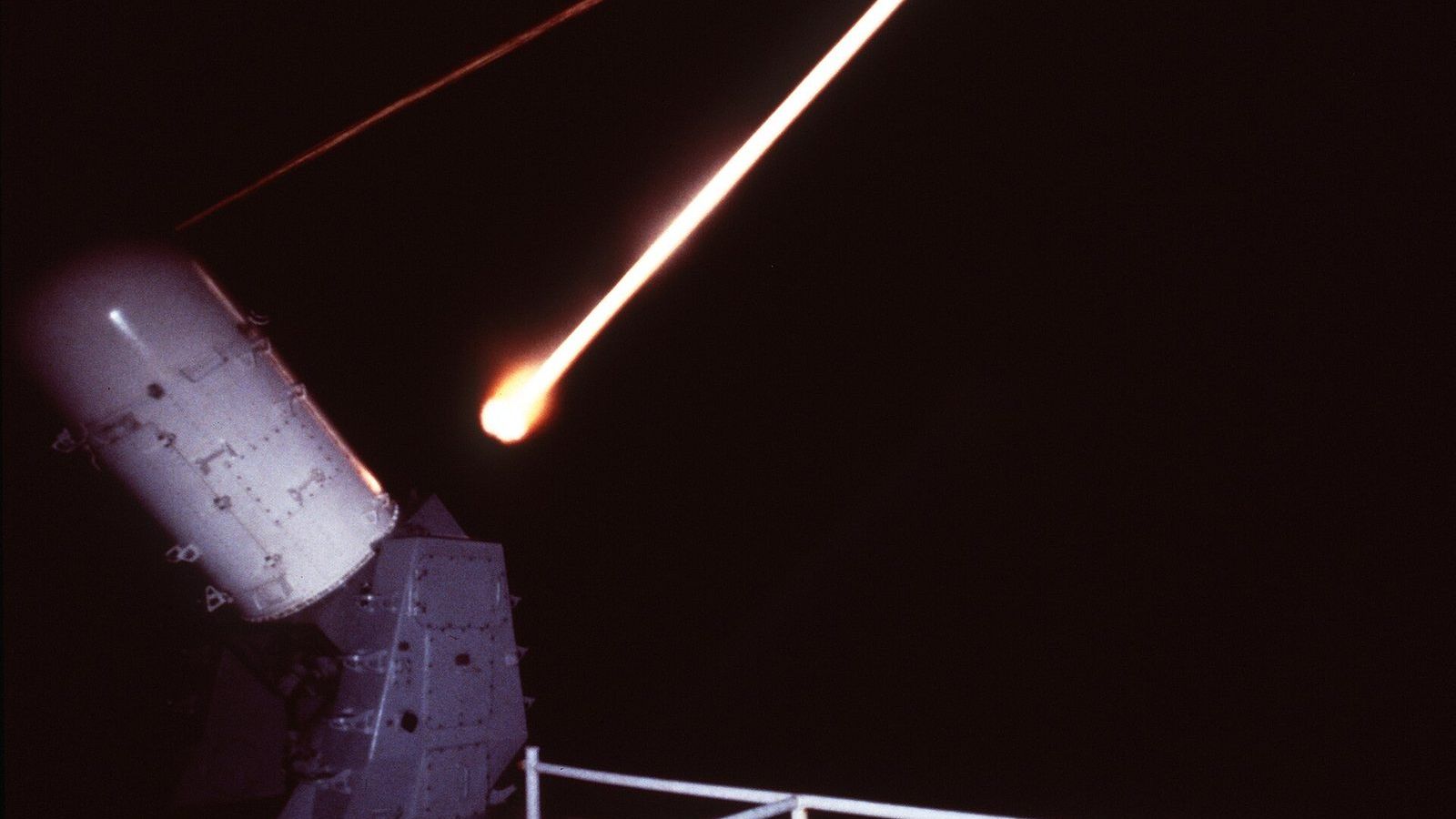
What an autonomous weapon actually is
A ship's gun that has fired on its own since 1980, a drone that picks its own radar, and a munition that hunts without a data link all sit on one line, and the argument about killer robots is about where on that line to draw the rules. The two working definitions, the critical functions, and what states have agreed since 2017.

How a cyber attack is traced
NotPetya hit Ukraine on 27 June 2017 and spread to companies on four continents; the public naming of the Russian military came on 15 February 2018. The three layers of attribution, what filled the eight months, and how a false flag is planted and found.
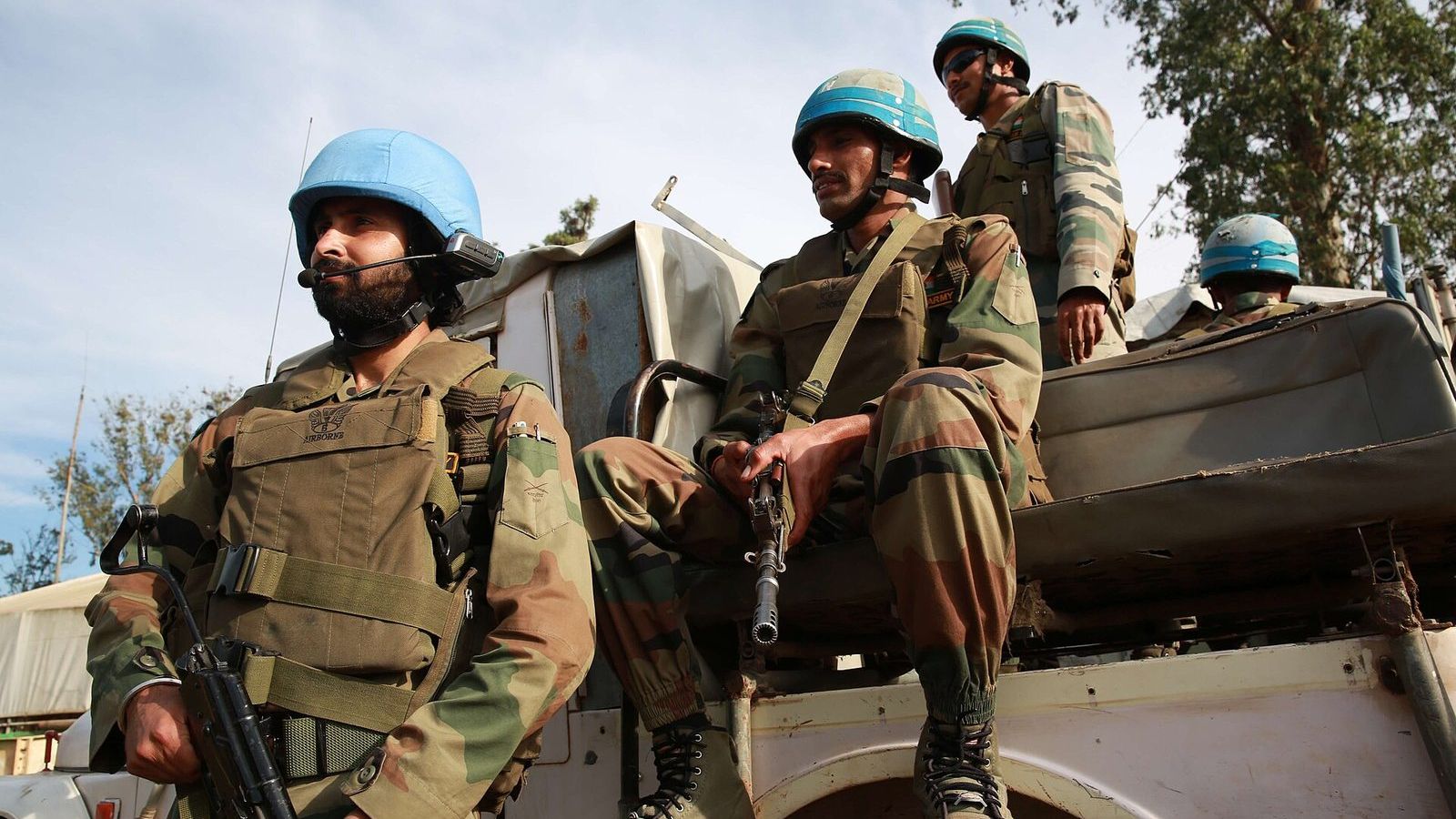
Does peacekeeping keep the peace?
Seventy-one missions since 1948, three principles from 1956, and a research record since 2000 that is more favourable than the news and more qualified than the brochures. Why the comparison is hard, what the studies found, and where the failures were.
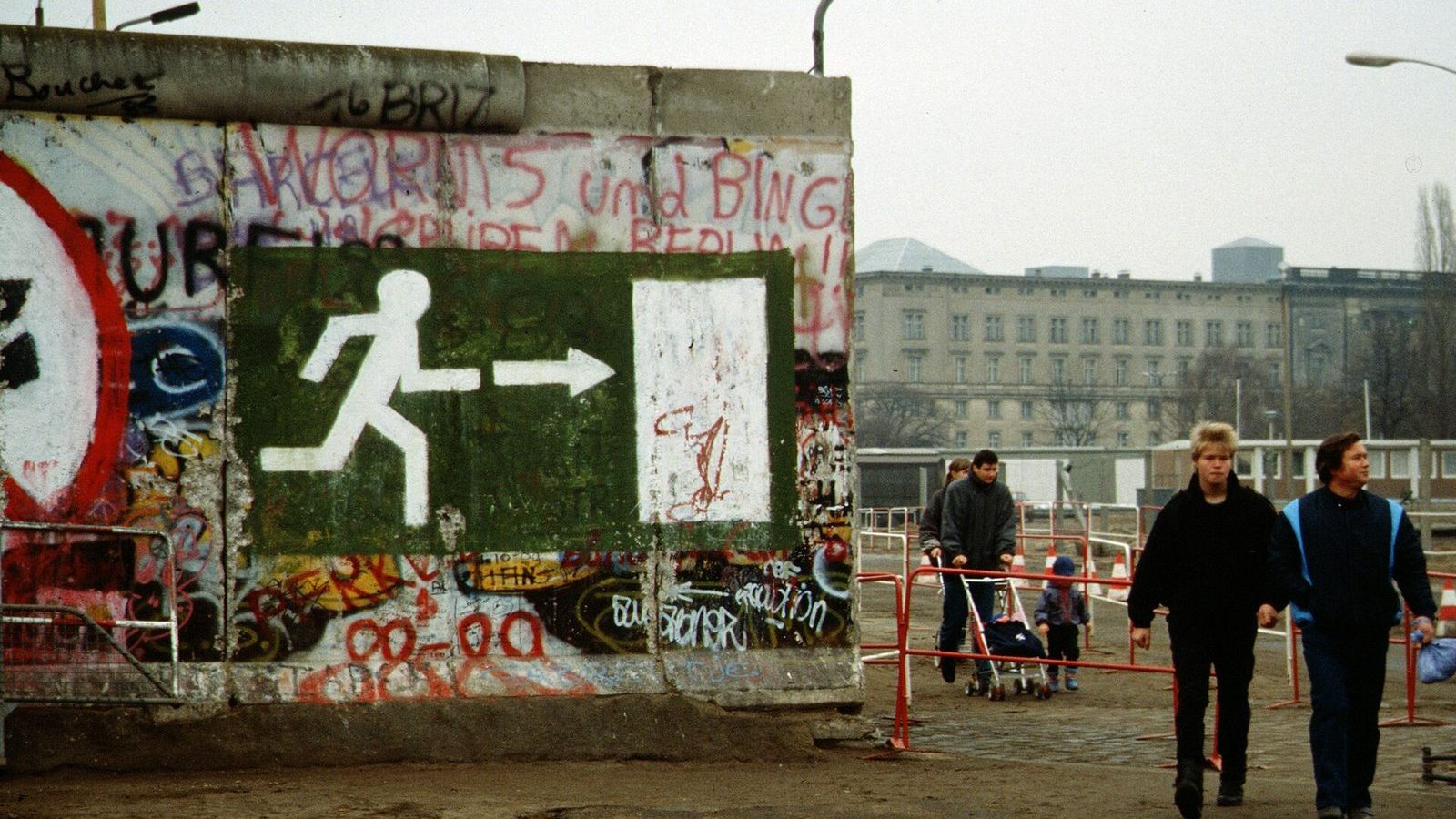
Why nonviolent campaigns won twice as often
Of 323 campaigns between 1900 and 2006, the nonviolent ones succeeded about 53 per cent of the time and the violent ones about 26 per cent. How the campaigns were counted, why the unarmed ones won, what the 3.5 per cent figure does and does not mean, and why the rate has fallen since 2010.
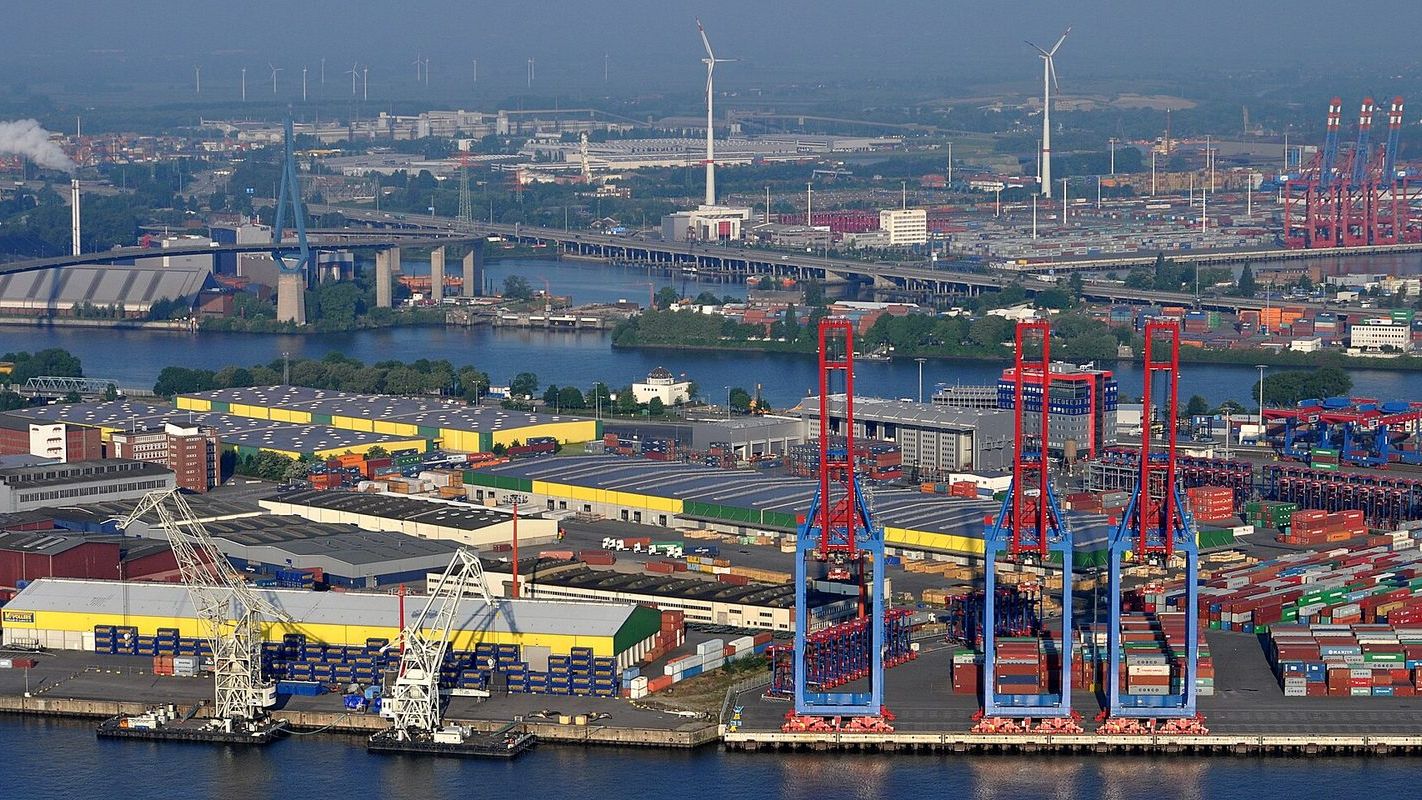
Who really pays for a sanction?
Scholars put the success rate of sanctions anywhere from under 5 to about 34 per cent, and the disagreement is about what to count. One episode measured, Iran from 2012 to 2015, the costs that fall on senders and bystanders, and the payment chokepoints that changed the instrument.