 Image: MONUSCO Photos, CC BY-SA 2.0
Does peacekeeping keep the peace?
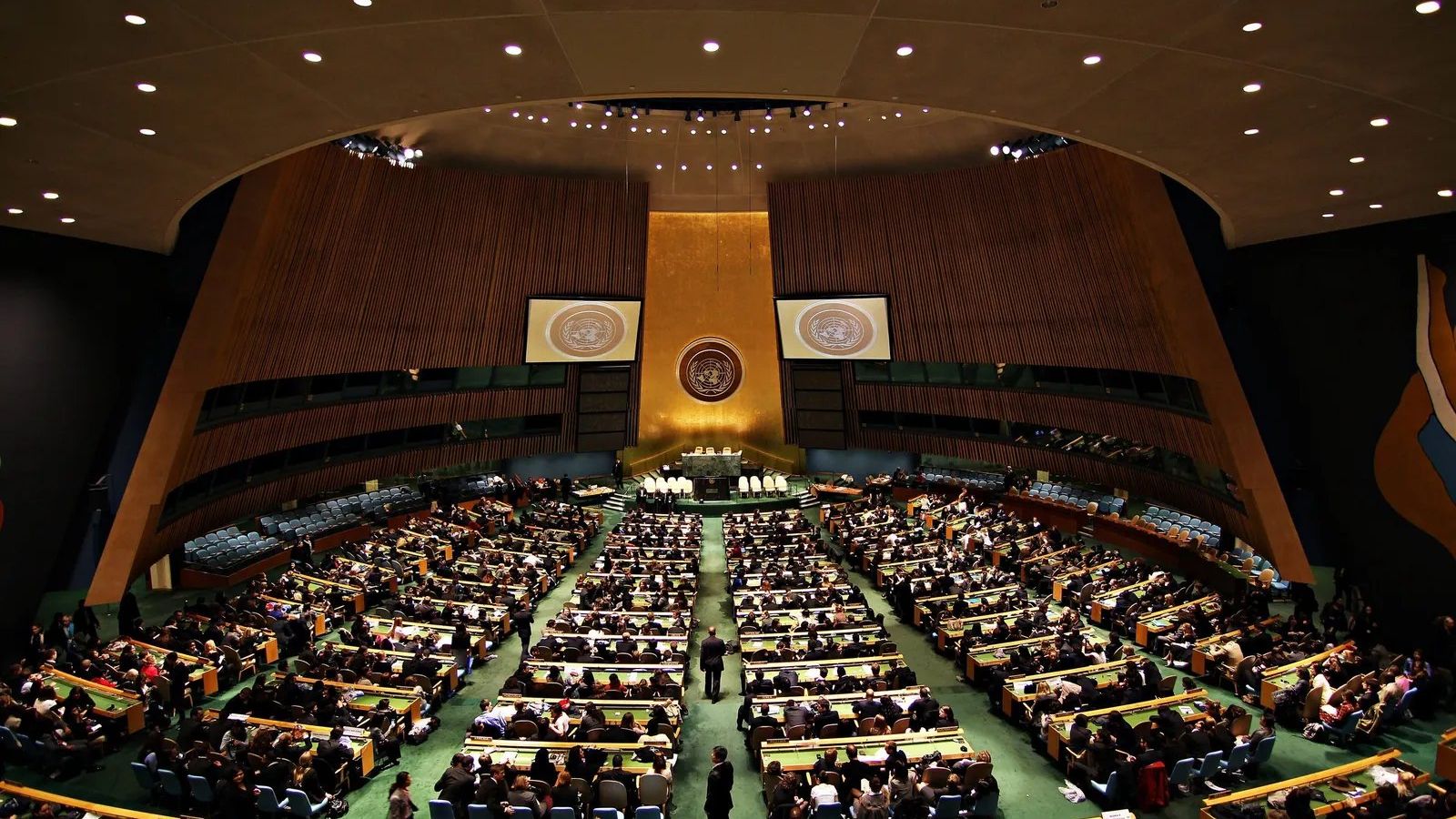
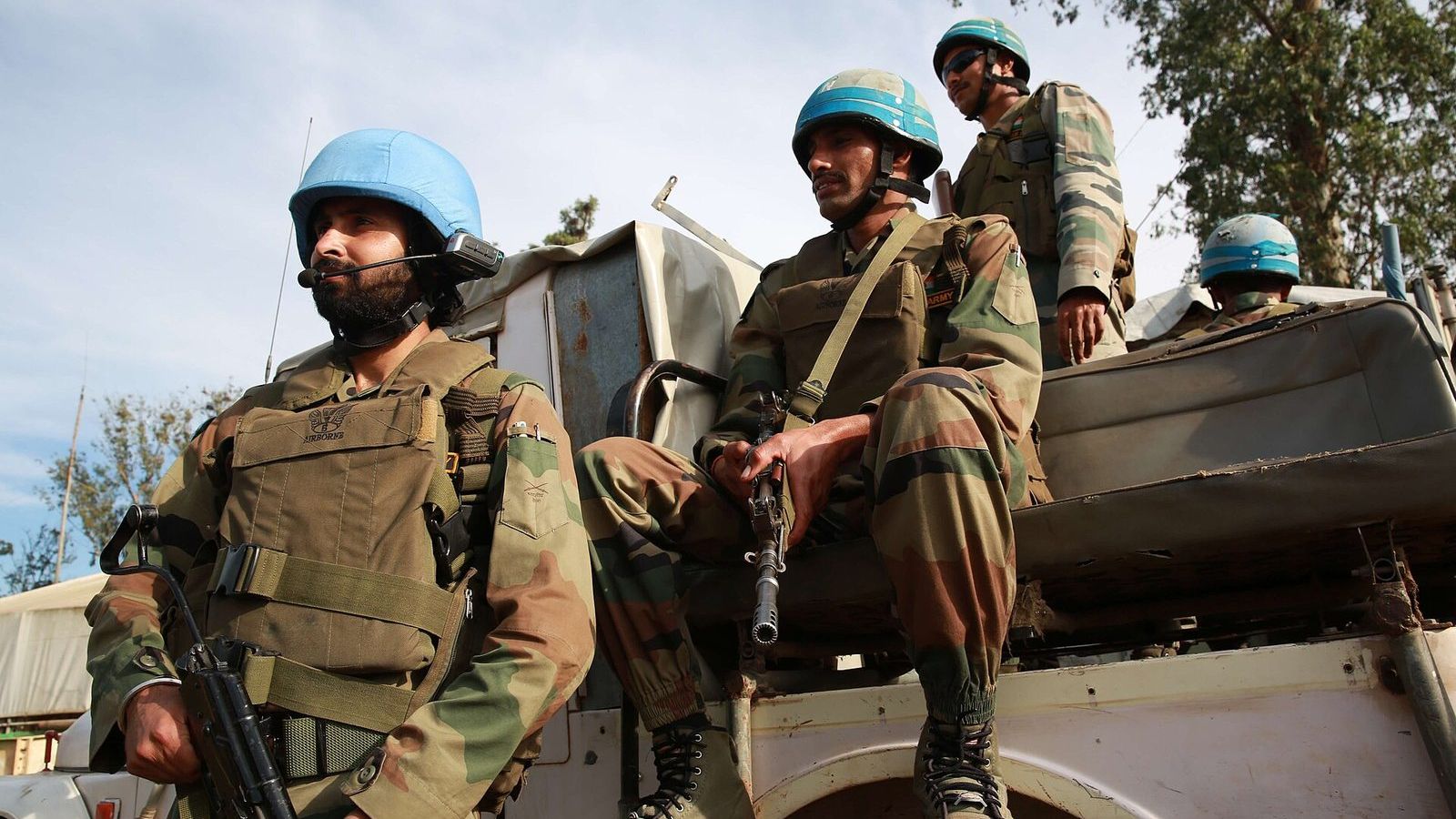
In November 1956, with British, French, and Israeli forces in Egypt and the Soviet Union threatening to intervene, the General Assembly of the United Nations created a force of about six thousand soldiers from ten countries, put them in blue helmets, and sent them to stand between the armies as they withdrew. The idea had come from Lester Pearson, Canada's foreign minister, and the force was organized within days by the Secretary-General, Dag Hammarskjöld (1905 to 1961). Nobody had done it before, the Charter does not mention it, and seventy years later it remains the United Nations' most visible activity. Whether it works is a question that political scientists have been able to answer with numbers only since about 2000, and the answer is more favourable than the news would suggest and more qualified than the UN's own publicity.
The three principles
Hammarskjöld wrote up what he had learned in a report of 1958, and the three principles he set out still define the activity. A peacekeeping force deploys with the consent of the host state, which can withdraw it; Egypt did exactly that in May 1967, and the force left days before the Six-Day War. It is impartial between the parties, which is different from being neutral about the mandate it is there to carry out. And it uses force only in self-defence, a rule that the doctrine of 2008 extended to the defence of the mandate, so that a force may now use arms to protect civilians or to prevent a party from blocking its work. The UN's own statement of the principles is short and worth reading in the original, because almost every argument about a failed mission turns on one of the three.
The record is long. The UN has mounted 71 operations since the first observers went to Palestine in 1948. In mid-2025 eleven were running, with about 60,000 uniformed personnel, the largest in the Democratic Republic of the Congo, South Sudan, and Lebanon. The approved budget for the year to June 2025 was about 5.6 billion US dollars, which sounds large until it is set against world military spending in 2024 of about 2,718 billion dollars by the Stockholm International Peace Research Institute's count. Peacekeeping costs about a fifth of one per cent of what the world spends on its armed forces. More than 4,400 peacekeepers have died in service. The UN's data pages give the figures mission by mission.
Why the comparison is hard
The obvious test is to compare wars that got peacekeepers with wars that did not and see which peace lasted. The obvious test is wrong, because the two groups are not alike. The Security Council sends missions to the conflicts that worry it most, which tend to be the ones in which the parties are weakest, the fighting has been longest, and the peace is most fragile. If peacekeepers go where peace is hardest, then a simple comparison will make them look useless even if they help, in the way that a hospital's patients die more often than the people outside it.
Virginia Page Fortna at Columbia University dealt with this in a 2004 article and in her 2008 book Does Peacekeeping Work? by modelling first where missions are sent and then what happens afterwards, allowing for the difficulty of each case. Her finding was that after a civil war the presence of a peacekeeping mission reduced the risk of the war resuming by at least 55 to 60 per cent, and that the effect held for the lightly armed observer missions as well as for the large ones. Michael Doyle and Nicholas Sambanis had reached a compatible result in 2000 with a different method and a dataset of 124 civil wars. The mechanisms Fortna identified from interviews with the parties were mundane: peacekeepers make it costlier to attack, they make a surprise attack harder to hide, they catch and defuse the accidents and provocations that restart wars, and they give both sides a way to show good faith at low cost.
Lives saved, and where
A second wave of research looked inside the wars rather than at their endings. Lisa Hultman, Jacob Kathman, and Megan Shannon showed in two articles in 2013 and 2014, using monthly data on troop numbers and deaths in African civil wars, that larger deployments of armed troops were followed by fewer civilian deaths and fewer battle deaths, while deployments of unarmed observers were not. The size of the force mattered, which is a finding with a budget attached. Andrea Ruggeri, Han Dorussen, and Ismene Gizelis used data on where within a country peacekeepers were based and found that fighting fell where they were deployed and not where they were absent. Håvard Hegre, Lisa Hultman, and Håvard Mokleiv Nygård, in a 2019 article in the Journal of Politics, simulated what the conflicts of the previous two decades would have looked like with and without the missions actually sent, and estimated that a policy of large, robustly mandated missions would have cut the incidence of major conflict by about two thirds relative to no peacekeeping. In 2021 Barbara Walter, Lise Howard, and Fortna reviewed the whole literature and reported that the positive effect of peacekeeping on peace is one of the most consistent findings in the study of civil wars.
The findings come with the limits of their data. Most of them concern civil wars since 1989 and missions deployed with the consent of the parties after a ceasefire. They say little about missions sent into wars that have not ended, which is where the worst failures have been.
Rwanda, Srebrenica, and after
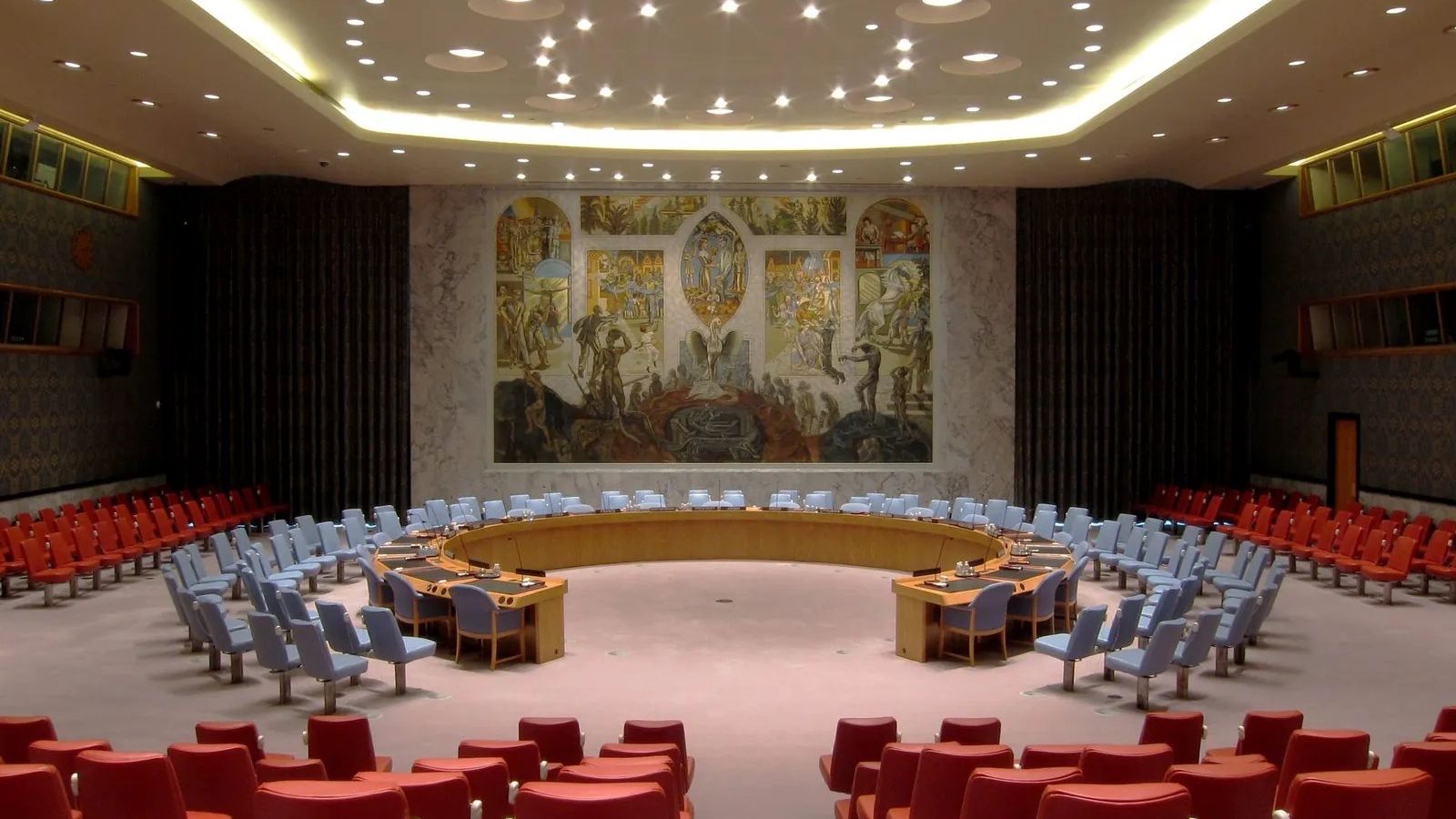
The failures are not in dispute. In April 1994 the mission in Rwanda, cut from 2,500 to 270 soldiers by the Security Council as the killing began, watched a genocide it had warned of. In July 1995 a Dutch battalion of the mission in Bosnia stood aside as Bosnian Serb forces took the town of Srebrenica, which the Council had declared a safe area, and killed about 8,000 men and boys. The UN's own inquiries into both, published in 1999, were unsparing, and the Brahimi report of 2000 drew the conclusion that a mission must not be sent without the troops, the mandate, and the political backing to do what it is asked. The cases since then have been different in kind rather than better: missions with mandates to protect civilians in wars that are still being fought, in the Congo, in South Sudan, in Mali until the government expelled the mission in 2023, where the question is whether the three principles can apply at all when there is no peace to keep. The missions have also done harm of their own, from the cholera that Nepalese troops brought to Haiti in 2010 to the sexual abuse of children by soldiers in the Central African Republic.
A student weighing the evidence should hold both halves of it. Where there is a ceasefire and a mission with consent, the statistical record says that peacekeepers make the peace last and save lives, at a cost that is small by any military comparison. Where there is no ceasefire, the record is thinner and the failures are grave, and the research cannot yet say whether the problem is the tool or the way it has been used. Unit 7 of the masterclass, on international law and the United Nations, follows a mission from the Security Council's resolution to the field, and Unit 12, on civil wars, terrorism, and peacebuilding, returns to the finding that third-party guarantees are what make a settlement hold, which is the theory of which peacekeeping is the practice.